
Ultimate Rust Protection for Speaker Grilles: EDP + Powder Coating

About Author: Kevin Wu
Founder & Principal Audio Engineer, LECOVITA
Specialize in acoustic engineering, high-fidelity speaker and amplifier design, precision manufacturing, sonic innovation, immersive audio solutions, and premium audio system development.
Introduction
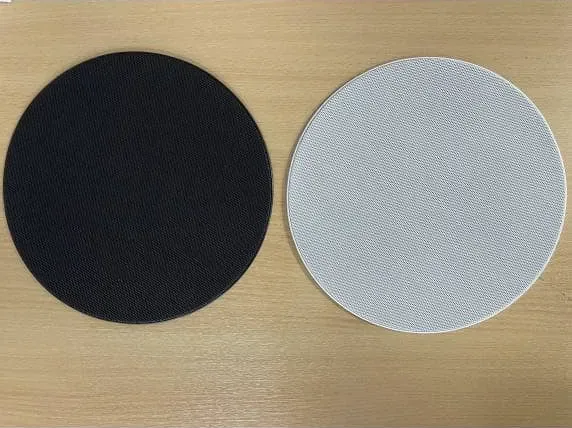
Ceiling and wall-mounted speaker grilles often face harsh conditions – from humid indoor environments (like bathrooms and spas) to salt-laden air in coastal regions. In such conditions, corrosion resistance and a durable finish are paramount to prevent unsightly rust and degradation. Traditionally, many manufacturers have relied on simple powder coating over plain steel grilles, which provides only basic protection. Unfortunately, even so-called “outdoor” painted steel grilles will eventually rust when exposed to moisture and salt air.Outdoor speakers.
A better approach has been to use galvanized steel plus powder coating, leveraging zinc’s rust-inhibiting properties to hold up longer in wet climates. However, the most advanced solution today is a dual-coating process: Electrophoretic Deposition (EDP) e-coating as a primer, followed by an electrostatic powder coat top layer. This EDP + powder coating combination offers ultimate corrosion protection, making speaker grilles durable enough for coastal installations, high-humidity interiors, and even marine environments (e.g. seaside resorts or yacht audio systems). In this article, we’ll explore how the EDP + powder process works and why it outperforms conventional finishes in preventing rust while maintaining an attractive appearance.
Common Speaker Grille Finishes and Their Limitations
Plain Steel with Powder Coating (Basic Protection)
Using mild steel grille mesh with a direct powder coat finish is the most basic and economical finishing method. The powder coating – a dry paint that’s electrostatically applied and then baked on – does provide a protective shell against scratches and UV exposure.Fresh powder-coated steel looks smooth and can be colored to match interiors. However, the anti-rust performance is limited. If the powder layer is thin, uneven, or gets chipped, the exposed steel underneath will quickly start to corrode, especially in damp or salty air. Standard powder coating on bare steel is generally not sufficient for coastal cities or humid environments, as any small breach in the coating can lead to rust spread beneath the paint. As one audio enthusiast noted, even “outdoor” rated painted metal grilles tend to rust eventually in seaside climates.Thus, plain steel + powder is the least rust-resistant option and best used only in dry, indoor locations.
Galvanized Steel with Powder Coating (Improved Protection)
A step up in durability is achieved by making the grille from galvanized steel (steel that has a zinc coating) and then powder coating it. Galvanization – whether hot-dip or electro-plated – adds a thin layer of zinc across the steel surface that sacrificially protects the metal from rust (zinc corrodes before the underlying steel does, offering cathodic protection).
Can You Powder Coat Galvanized Steel? Techniques, Benefits, and Tips
When a powder coat is applied over galvanized steel, you get a dual-layer defense: the zinc layer prevents rust even if there are small scratches or pinholes, and the powder paint layer provides additional barrier protection and color. Powder-coated galvanized steel is highly resistant to rust, as the two layers work together to shield against corrosion, particularly in outdoor or wet conditions.
This makes it suitable for use in coastal cities and high-moisture areas – a galvanized + powder finish can last significantly longer than powder on bare steel. However, even this method has some drawbacks. If the grille has been fabricated (perforated, cut) from galvanized sheet, the cut edges might not be fully zinc-coated. Those exposed edges rely solely on the powder coat for protection. Moreover, galvanized surfaces must be properly prepped for powder adhesion. While galvanized + powder is effective, there remains an even more robust solution for extreme environments: adding an electrophoretic deposition primer layer.
E-Coating (EDP) Primer plus Powder Coating (Maximum Protection)
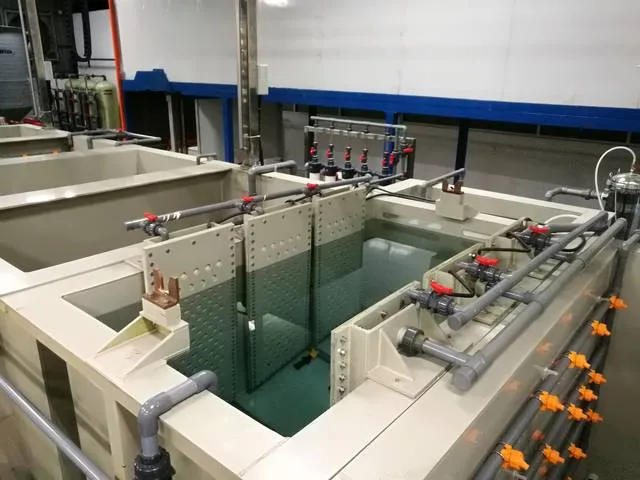
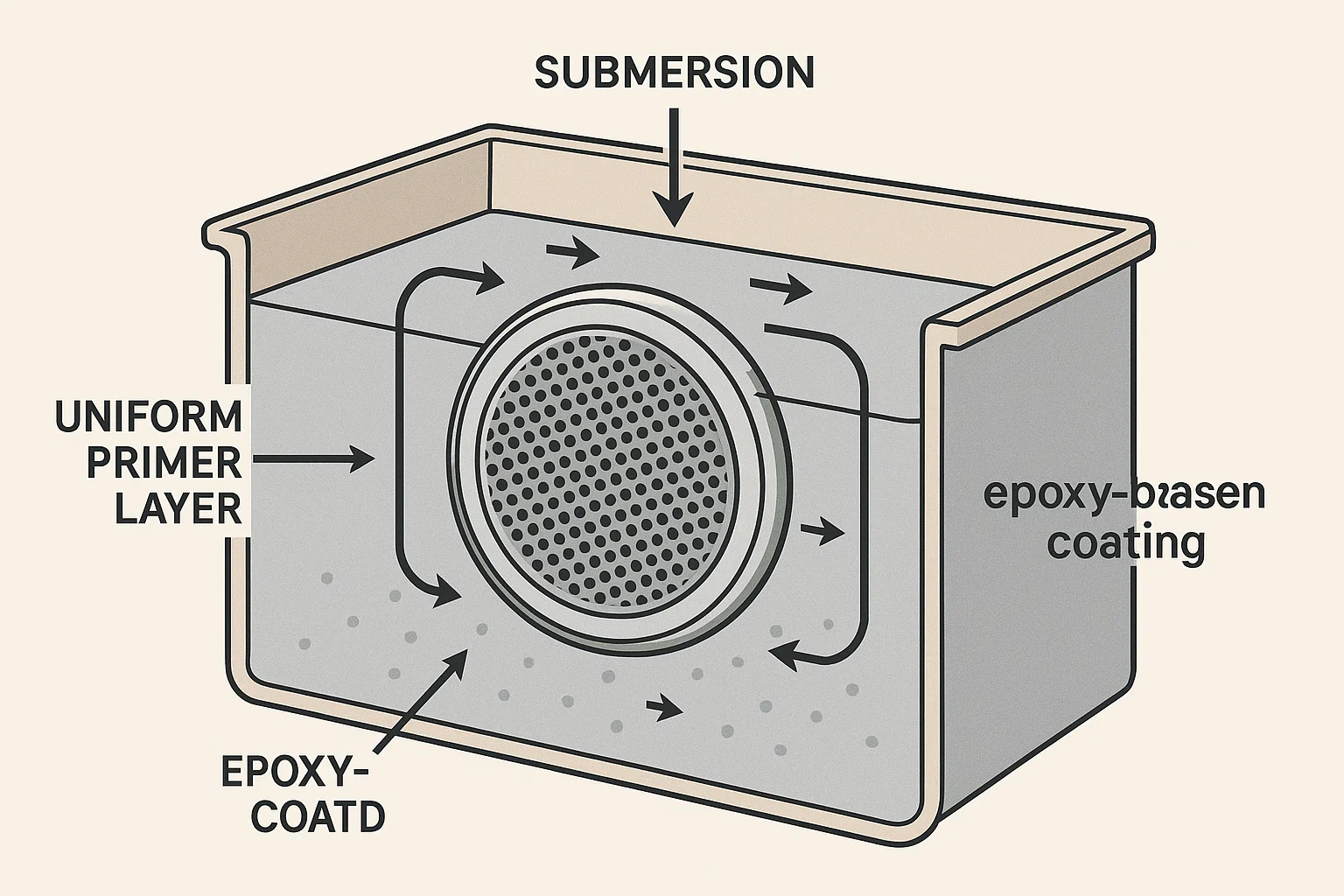
Electrophoretic deposition (EDP), also known as e-coating, is a high-performance priming process that applies a uniform epoxy-based coating to the metal by immersing the charged part in a paint bath. Unlike spray painting or powder alone, the EDP process effectively coats 100% of the grille’s surface, including complex shapes, perforations, and recessed areas that traditional spraying methods might miss. Think of it as a paint layer applied from the inside out – the electric charge draws anti-corrosive paint into every nook and cranny of the metal grille. After immersion, the e-coat is baked on, forming an extremely thin (~15 µm) but highly adherent corrosion-inhibiting primer layer. This EDP primer greatly boosts the long-term rust resistance of the grille by sealing the metal against moisture and salt exposure.
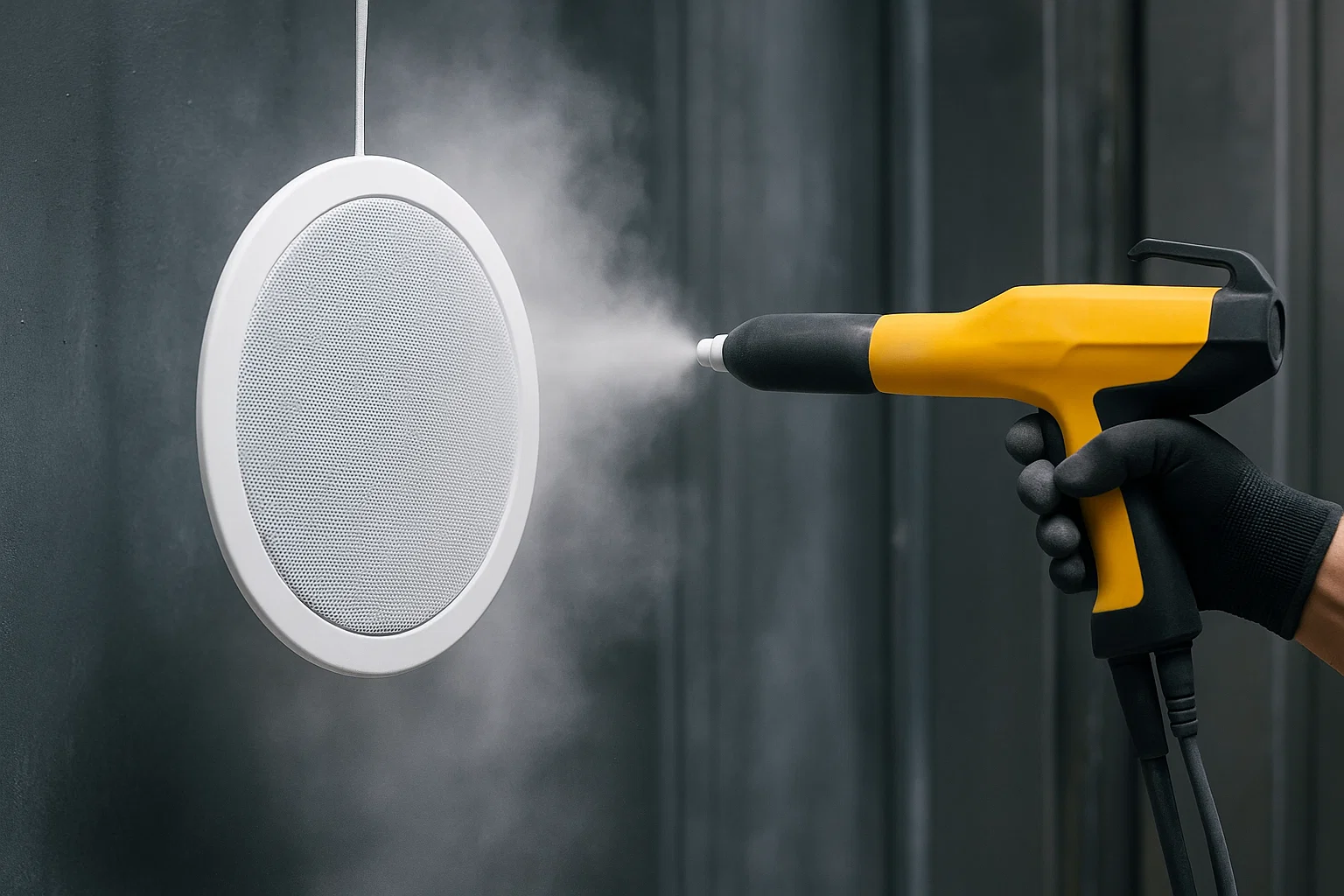
With the grille now fully protected by the e-coat primer (even on edges and in perforation holes), the second step is to apply the electrostatic powder coating as a topcoat. The powder coat bonds well to the e-coated surface, effectively using the EDP layer as a base primer. The dry powder (usually a polyester or epoxy/polyester blend for outdoor durability) is sprayed onto the part and then cured in an oven, melting into a continuous hard shelladrenalinecustoms.com. This baked-on powder topcoat provides a tough, resilient finish that resists scratches, impacts and UV fading. It also offers virtually any color or texture, allowing the speaker grille to match architectural or design requirements without compromising protection. The result of this dual-coating is a grille finish with exceptional durability and corrosion resistance – far superior to a single-layer coating. By first e-coating and then powder coating, even steel grilles in coastal, high-humidity, or high-salinity conditions remain rust-free for much longer than with standard coatings.
How the EDP + Powder Coating Process Works
Step 1: Electrophoretic Deposition (E-Coat) Primer
In the EDP stage, the cleaned metal grille is connected to an electrical charge (typically as a cathode) and submerged into a tank of water-based epoxy paint. Oppositely charged paint particles migrate and deposit onto every exposed metal surface uniformly. This process continues until the desired film thickness is achieved, even into tiny holes and corner gaps. Because the part is fully immersed, EDP can coat areas that spray painting or powder might not reach due to line-of-sight limitations or Faraday cage effects.
After dipping, the grille is taken out of the bath and rinsed, removing excess paint from non-adhered areas, and then baked in an oven to cure the primer. The curing cross-links the epoxy, leaving a smooth, thin corrosion-inhibiting primer coat tightly bonded to the metal.At this stage, the grille already has a basic matte finish (usually black or grey) and is significantly protected against rust on all surfaces. In fact, cationic epoxy e-coatings are known to withstand over 1000 hours of salt spray on their own without red rust. This primer is an ideal foundation for additional coatings thanks to its excellent adhesion and uniform coverage.
Step 2: Electrostatic Powder Coating Topcoat
Following the EDP primer, the grille undergoes a standard powder coating process for the top layer. First, the e-coated part is typically given a light surface prep (e.g. a short bake to ensure no moisture, and possibly a slight scuff) to ensure optimal powder adhesion.
Next, an electrostatically charged powder (thermoset polymer powder) is sprayed onto the grille. The charged powder particles are attracted to the grounded metal, depositing an even layer over the surface. One advantage here is that the EDP primer underneath helps in achieving a more uniform powder coverage, since it eliminated any bare metal spots that could cause uneven electrostatic attraction. After coating, the grille is baked in an oven at around 180–200°C, which melts and chemically cures the powder into a continuous hard film. The outcome is a thick (~50–100 µm), robust topcoat tightly fused to the primer layer. This powder coat serves as the primary barrier against physical damage and UV light. It is highly resistant to chipping, scratching, and impact, and will not fade or chalk easily even in sunlight. Moreover, the powder finish gives an attractive look – it can be glossy, matte, or textured, and can be color-matched to virtually any design scheme. The EDP + powder process thus produces grilles that are both extremely well-protected and visually appealing, with a smooth outer finish over a full-coverage primer base.
Advantages of EDP + Powder Coating in Harsh Environments
Superior Corrosion Resistance: The primary benefit of the EDP + powder system is dramatically improved rust protection. In aggressive environments with salt, humidity, or temperature swings, a single coating often fails after a relatively short time. By contrast, the dual-layer EDP/powder grille finish has proven to withstand long-term exposure without corrosion. In industry corrosion tests, combining an e-coat primer with a powder topcoat can achieve 2,500–3,000 hours or more of salt spray resistance – an indication of outstanding longevity. The e-coat reaches into seams, perforations, and crevices (common initiation points for rust) sealing them from water ingress. The powder topcoat then adds another impermeable layer, so the metal is effectively encased. This is why manufacturers recommend e-coating plus powder for coastal and marine projects, as it “stands up against moisture, salt, and day-to-day wear” far better than standard coatings. For speakers installed in seaside villas, cruise ships, or outdoor patios by the ocean, this level of protection ensures the grilles won’t become eyesores of rust over time. Even in indoor high-humidity spots like bathrooms, indoor pools, or kitchens, the EDP + powder finish prevents the kind of rust streaks and paint bubbling that often plague cheaper painted steel grilles.
Enhanced Durability and Impact Resistance
Beyond just rust, the dual-coating improves overall durability of the grille. The powder layer is known for its toughness against scratches and impacts, which is crucial for a speaker grille that might be removed for service or bumped during installation. The underlying e-coat also contributes – if the powder is ever chipped by a strong impact, the e-coat beneath still protects the steel from immediate rusting. Together, the two coatings form a robust finish that withstands physical wear and abrasion better than either alone. This durability is particularly beneficial in commercial settings (like restaurants or gyms) where speakers might be frequently handled or cleaned, or in mobile applications (like yachts or ships) where vibrations and bumps are common. The finish won’t crack or peel easily, and any minor damage is less likely to propagate into rust undercutting, since the e-coat isolates the metal from oxygen and water.
Aesthetic Longevity
The EDP + powder process not only guards against corrosion, it also keeps the speaker grille looking new for longer. The powder topcoat’s UV resistance means it resists fading or chalking even with prolonged sun exposure – a key advantage for outdoor speakers or rooms with large windows/skylights. The finish retains its color and gloss for years, maintaining an attractive appearance without requiring repainting. Meanwhile, the e-coat ensures no ugly rust spots bleed through the paint from the backside or edges of the grille, an issue that often happens when plain steel grilles start corroding out of sight. With e-coating, even hidden surfaces are protected, so there are no creeping rust stains at the grille’s periphery. Architects and interior designers also appreciate the flexibility of the powder coating layer – it comes in many colors and textures to suit design needs. Thus, the dual-coated grille delivers both functional longevity and lasting visual appeal, which is crucial for high-end installations. It’s a finish that can match premium architectural aesthetics while performing in extreme conditions.
Conclusion
For projects requiring maximum longevity and performance, the combination of an electrophoretic deposition primer and a powder coat finish is the gold standard for speaker grille protection. This EDP + powder coating process creates a synergistic defense: the e-coat primer shields every millimeter of the grille with a corrosion-inhibiting layer, and the powder topcoat provides a durable outer armor against weather and wear. Compared to ordinary painted steel grilles (which are prone to rust in damp or salty air) and even compared to galvanized-only solutions, an EDP + powder finished grille offers dramatically better rust prevention, even in coastal climates or humid environments. It ensures that the installed speakers maintain both their acoustic transparency and their appearance over years of service.
In summary, an electrocoated + powder coated speaker grille will have outstanding durability and aesthetics, truly built to withstand the test of time. Manufacturers like LECOVITA have adopted this process to supply ceiling speaker grilles that meet the highest standards of corrosion resistance and finish quality. By investing in an EDP + powder coated grille, audio installers and end-users can be confident that their speakers not only sound great but also stay looking great and rust-free even in the toughest conditions.
Sources: The information above is based on industry data and examples, including insights on e-coating and powder coating benefitsadrenalinecustoms.com, winonapowder.com, manufacturer documentation on dual-coating for harsh environmentsviewrail.com, viewrail.com, and expert commentary on corrosion protection methodssteelprogroup.com, audiokarma.org.
