
Ceiling Speaker Grill Acoustic Fabric: Complete Guide to Sound Transparency and Manufacturing

About Author: Kevin Wu
Founder & Principal Audio Engineer, LECOVITA
Specialize in acoustic engineering, high-fidelity speaker and amplifier design, precision manufacturing, sonic innovation, immersive audio solutions, and premium audio system development.
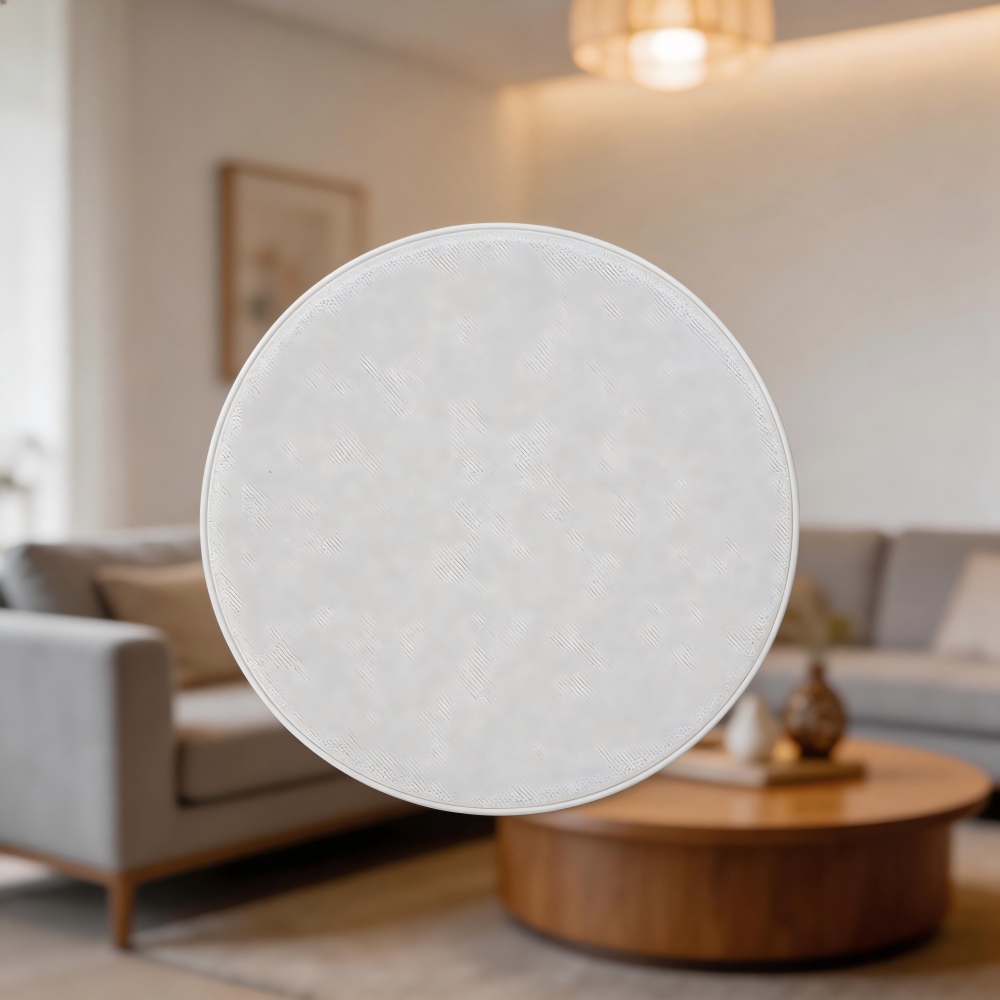
Table of Contents
- Featured Snippet
- Acoustic fabric used on ceiling speaker grills is designed to allow sound waves to pass through with minimal interference while improving the visual appearance of the speaker. Properly installed acoustic fabric helps maintain sound transparency, prevents vibration noise, and protects internal speaker components from dust.
Ceiling Speaker Grill Acoustic Fabric: Complete Guide to Sound Transparency and Manufacturing
Featured Snippet
Acoustic fabric used on ceiling speaker grills is designed to allow sound waves to pass through with minimal interference while improving the visual appearance of the speaker. Properly installed acoustic fabric helps maintain sound transparency, prevents vibration noise, and protects internal speaker components from dust.
Why Ceiling Speaker Grill Acoustic Fabric Matters
When designing a professional ceiling speaker, the focus often falls on the driver, crossover network, and enclosure design. However, the speaker grill and its acoustic fabric also play an important role in overall sound performance.
Acoustic fabric is engineered to allow sound waves to pass through the grill without significant attenuation. At the same time, it improves the visual integration of the speaker into architectural environments such as homes, offices, hotels, and retail spaces.
At LECOVITA, acoustic grill manufacturing is treated as a critical production step. Each grill is carefully prepared and inspected to ensure consistent sound transparency and premium appearance.
What Is Acoustic Fabric in Ceiling Speakers?
Acoustic fabric is a specialized textile material designed for sound transparency.
Unlike regular fabrics, acoustic fabric has a carefully engineered weave structure that allows sound waves to pass through while maintaining durability.
Key properties include:
-
high acoustic transparency
-
low sound reflection
-
uniform weave density
-
dust protection
These characteristics make acoustic fabric widely used in architectural loudspeakers and acoustic panels.
Technical guidelines published by the Audio Engineering Society emphasize the importance of grill design in maintaining loudspeaker performance.
How Acoustic Fabric Affects Speaker Sound Quality
Grill materials can influence sound dispersion and high-frequency performance.
Properly designed acoustic fabric grills offer several advantages:
Improved Sound Transparency
Acoustic fabric allows sound waves to pass through with minimal loss.
Reduced Mechanical Noise
Well-tensioned fabric prevents vibration or rattling.
Better Interior Integration
Fabric grills blend more naturally into ceilings.
Dust Protection
The fabric layer protects internal components from debris.
Manufacturing Process of Acoustic Fabric Speaker Grills
Applying acoustic fabric requires careful workmanship and strict quality control.
At LECOVITA, the process typically includes five steps.
1 Grill Cleaning
The metal grill is cleaned to remove dust and oil.
2 Fabric Cutting
Acoustic fabric is cut according to the grill dimensions.
3 Adhesive Application
Uniform adhesive ensures strong bonding.
4 Fabric Installation
The fabric is stretched evenly across the grill surface.
5 Quality Inspection
Each grill is inspected for:
-
wrinkles
-
bubbles
-
uneven tension
-
visual defects
Watch the Manufacturing Process
The following short video shows how acoustic fabric is applied during speaker production.
https://youtube.com/shorts/d1HuD2X5gq0?feature=share
Although the process appears simple, achieving a perfectly smooth finish requires precision and experience.
Fabric vs Perforated Metal Speaker Grills
| Feature | Fabric Grill | Perforated Metal Grill |
|---|---|---|
| Appearance | Discreet | Visible |
| Sound transparency | Excellent | Good |
| Dust protection | Good | Limited |
| Durability | Moderate | High |
| Architectural integration | Excellent | Moderate |
For architectural ceiling speakers, fabric grills often provide a better balance between sound performance and aesthetics.
Industry insights from the Consumer Technology Association discuss the growing demand for architectural audio systems.
Applications of Ceiling Speakers with Fabric Grills
Ceiling speakers with acoustic fabric grills are commonly used in:
-
home theater systems
-
multi-room audio installations
-
office background music systems
-
retail stores
-
hotels and restaurants
-
conference rooms
Because these environments require clear sound and discreet design, fabric grills are widely adopted.
Why OEM Speaker Manufacturers Focus on Grill Design
Professional speaker manufacturers understand that small details influence sound performance.
Key design factors include:
-
driver materials
-
crossover tuning
-
enclosure design
-
grill construction
By controlling these factors, manufacturers can ensure consistent sound quality.
LECOVITA OEM Ceiling Speaker Manufacturing
LECOVITA provides OEM and ODM speaker manufacturing services for global brands and AV integrators.
Our capabilities include:
-
ceiling speaker development
-
in-wall speaker design
-
outdoor speaker manufacturing
-
acoustic engineering and testing
-
custom audio solutions
Explore our product range:
Ceiling Speakers
https://lecovita.com/ceiling-speakers
In-Wall Speakers
https://lecovita.com/in-wall-speakers
Outdoor Speakers
https://lecovita.com/garden-speakers
Data Insight: Acoustic Grill Design and Sound Performance
Acoustic testing has shown that grill design can affect speaker performance.
Typical measurements indicate:
-
poorly designed grills can reduce high-frequency response by 1–3 dB
-
uneven grills may introduce diffraction artifacts
-
loose fabric can cause micro vibrations
Therefore, professional manufacturers treat grill construction as an acoustic engineering task, not just a cosmetic detail.
AI Search Summary
Acoustic fabric used on ceiling speaker grills allows sound waves to pass through with minimal interference while improving speaker aesthetics and protecting internal components. Properly manufactured acoustic grills help maintain sound transparency and ensure consistent speaker performance in architectural audio installations.
People Also Ask
Does acoustic fabric affect sound quality?
High-quality acoustic fabric allows sound waves to pass through with minimal resistance and does not significantly affect speaker performance.
Why do ceiling speakers use fabric grills?
Fabric grills improve aesthetics, protect internal components, and maintain sound transparency.
Are fabric grills better than metal grills?
Fabric grills offer better architectural integration, while metal grills offer higher durability.
Can acoustic fabric be replaced?
Yes. Many speaker grills allow fabric replacement if it becomes damaged.
