
How to Source Ceiling Speakers for International Trade: A Guide for Distributors

About Author: Kevin Wu
Founder & Principal Audio Engineer, LECOVITA
Specialize in acoustic engineering, high-fidelity speaker and amplifier design, precision manufacturing, sonic innovation, immersive audio solutions, and premium audio system development.

Table of Contents
- Understanding the Global Ceiling Speaker Market
- Key Challenges in Sourcing Ceiling Speakers Overseas (and How to Overcome Them)
- Criteria for Selecting a Reliable Ceiling Speaker Supplier
- Logistics and Shipping Considerations for International Orders
- Ensuring Product Quality and Compliance (Testing and Certifications)
- Leveraging OEM Services and Customization to Stand Out
- Best Practices for Distributors Sourcing from China and Beyond
- Conclusion: Partnering with the Right Supplier – Why Lecovita Stands Out
Introduction: The Importance of a Reliable Sourcing Strategy
Sourcing ceiling speakers on the international market can make or break a distributor’s success. As a global audio equipment distributor or importer, you need dependable suppliers who offer consistent quality, timely delivery, and compliance with all regulations. This guide serves as an expert roadmap to help you navigate the global sourcing of ceiling speakers. We’ll cover how to identify trustworthy suppliers, manage logistics and compliance, and leverage OEM services to build your brand. By the end, you’ll understand how to minimize sourcing challenges and position your business for growth – all while seeing how a partner like Lecovita can add value with its OEM capabilities, fast lead times, full certifications, and support for small MOQs.
Understanding the Global Ceiling Speaker Market
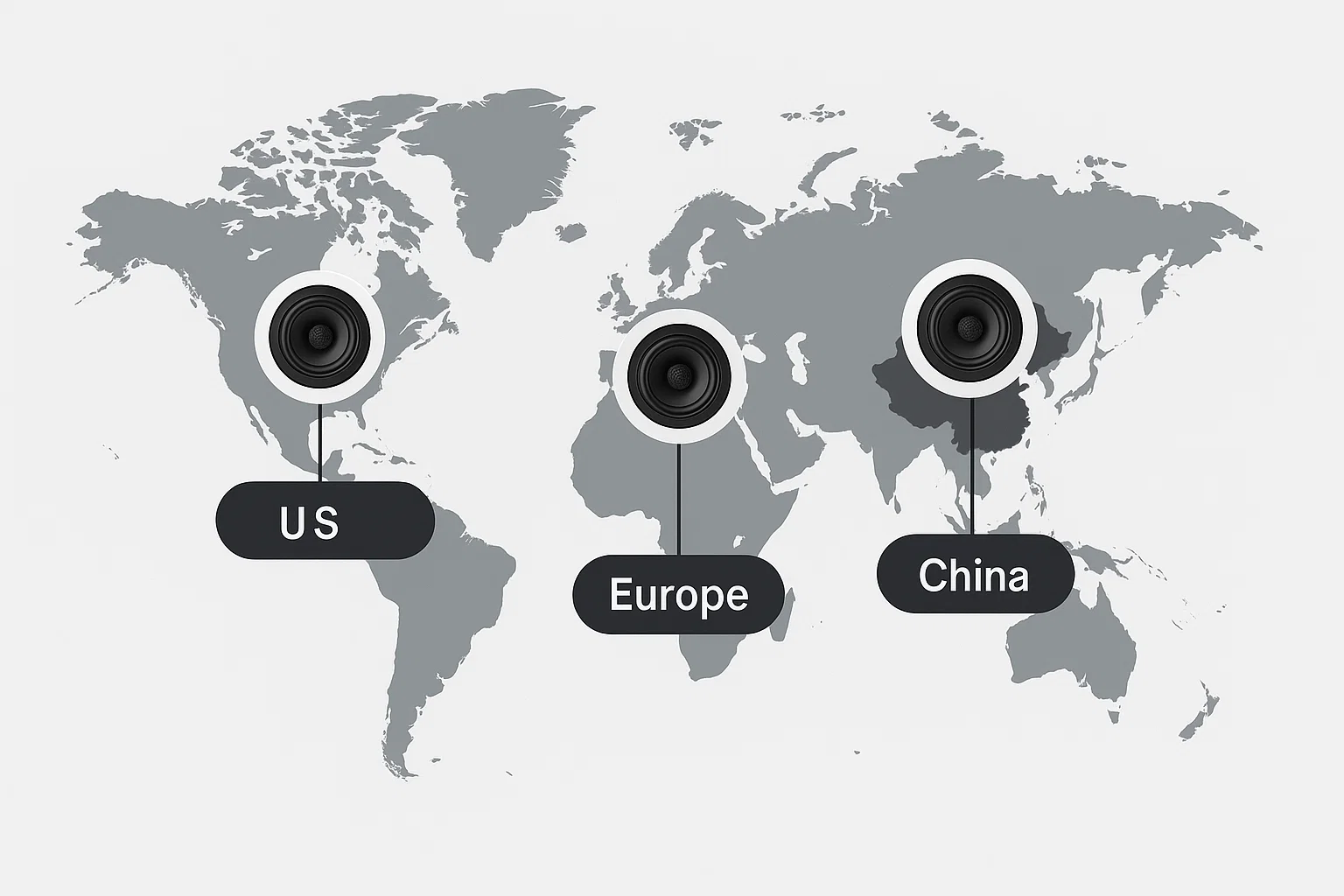
International trade in audio equipment is booming, and ceiling speakers are no exception. In fact, China dominates as a manufacturing hub for speakers – as of 2022, over 180 countries were importing speakers from China. This global reach is driven by China’s well-established supply chain, cost-effective production, and massive manufacturing capacity. Competing regions (like Vietnam) are growing their audio manufacturing, but China’s mature industrial system and economies of scale give it a significant edge. For distributors, this means that sourcing from China (and similar manufacturing centers) often provides the widest product selection and best pricing.
That said, global sourcing isn’t limited to China alone. You may find niche or high-end ceiling speaker manufacturers in other countries (e.g., parts of Europe or other Asian countries). However, China’s production capacity and experience in electronics manufacturing remain unparalleled in the ceiling speaker segment. Major international audio brands even produce in China, benefiting from its infrastructure and skilled workforce. The key for distributors is to tap into this global market strategically – by finding the right supplier who combines quality, compliance, and reliability.
Key Challenges in Sourcing Ceiling Speakers Overseas (and How to Overcome Them)
When you source internationally, you’ll encounter unique challenges not present in domestic procurement. Knowing these challenges upfront will help you mitigate risks. Here are some of the most common hurdles and best practices for overcoming them:
Quality Control & Consistency
Ensuring product quality from afar can be difficult. Different factories might use varying components or processes. Solution: Always request samples and, if possible, conduct third-party quality inspections before shipment. Look for suppliers with strict internal QC standards or ISO quality certifications. A trial order can help verify that the ceiling speakers meet your performance expectations in terms of sound clarity, power handling, and build quality.
By anticipating these challenges and implementing the solutions above, you can significantly improve your sourcing outcomes. Next, we’ll delve into how to evaluate potential suppliers in detail, using a checklist of criteria that successful distributors rely on.
Communication Gaps
Time zone differences, language barriers, and cultural business differences can lead to misunderstandings. Miscommunication on specifications or purchase terms is a major risk. Solution: Establish clear, detailed communication from the start. Use simple, unambiguous language in your RFQs (Request for Quotes) and orders. It’s wise to communicate in writing (email or messaging) to have a record of specifications, rather than only phone calls. Many Chinese suppliers use tools like WeChat for quick communication – consider adopting these for real-time chats. If a supplier is slow to respond or avoids questions, take note: consistent, prompt communication is a hallmark of a reliable supplier (poor responsiveness is a red flag that they may be too busy or not prioritizing your business).
Logistics & Shipping Complexity
International shipping involves longer transit times, customs clearance, and higher potential for delays or damage compared to local sourcing. Coordinating freight (sea or air), dealing with Incoterms (FOB, CIF, etc.), and preparing import documents add layers of complexity. Solution: Work with experienced freight forwarders or logistics partners who handle documentation and customs for you. Plan your inventory around realistic lead times – both production and shipping. For example, ocean freight from Asia to Europe or the U.S. can take several weeks, so schedule orders well in advance. Use proper Incoterms in contracts to clarify who manages freight and insurance at each stage. Also, ensure products are packaged securely (double boxing, palletization, etc.) to withstand long-distance transit.
Regulatory Compliance
Every market has its own regulations. Distributors must ensure imported ceiling speakers meet safety and electromagnetic standards, and environmental directives. For instance, the CE mark is mandatory in Europe to indicate compliance with health, safety, and environmental requirements, and RoHS certification confirms the product is free of certain hazardous substances. Non-compliant goods risk being held up at customs or causing legal issues. Solution: Only work with suppliers who provide the necessary certifications and documentation for your target markets. Verify that the manufacturer has experience with international standards (CE, RoHS for EU; perhaps FCC for wireless/Bluetooth speakers in the US; or UL certification if required for certain commercial installations). Request copies of certificates and test reports. A reputable supplier will be transparent about compliance – if they cannot furnish proof of certification or are unaware of your country’s requirements, consider it a red flag. As one industry guide advises, understanding relevant laws and regulations (and choosing reliable brands that already comply) is crucial to avoid problems and extra costs.
Trust and Supplier Verification
When you haven’t worked with a supplier before (especially one across the globe), there’s a risk of fraud or simply unreliable performance. You might worry: Will they actually deliver on time? Are the product specs truthful? Could they disappear after payment? Solution: Do due diligence. Verify the company’s background – check how long they’ve been in business and if they export to other well-known clients. Use platforms that provide some security (for example, Alibaba’s Trade Assurance or escrow services) for initial orders. Consider visiting the factory in person or hiring a third-party audit service to assess the factory’s legitimacy and capabilities. Start with small orders or a sample batch to build trust. Additionally, during initial conversations, pay attention to warning signs: if a supplier is unwilling to answer technical questions or constantly changes pricing and terms, it signals unreliability. A trustworthy supplier will be transparent, answer questions clearly, and stick to agreed terms without sudden surprises.
Criteria for Selecting a Reliable Ceiling Speaker Supplier
Not all suppliers are created equal. To find the right manufacturing partner, distributors should evaluate candidates against a set of key criteria. Below is a comparison checklist you can use when vetting ceiling speaker suppliers (whether on Alibaba, trade shows, or referrals):
Product Quality & Performance
Does the supplier deliver high-quality speakers with good sound performance and durable build? Check if they use quality components (cones, tweeters, crossovers) and have quality control processes. Ask for test reports or references.
Certifications & Compliance
Ensure the supplier’s products hold required certifications for your market – e.g. CE and RoHS for Europe, FCC for wireless in the US. Top manufacturers follow international safety and environmental standards so you can import worry-free.
OEM/Customization Capabilities
Can they customize the product or branding to your needs? A well-established OEM/ODM speaker supplier provides the flexibility to create unique, branded speakers tailored to your market. This includes custom logos, packaging, or even design modifications.
Minimum Order Quantity (MOQ)
What is the MOQ and is it reasonable for your business? Some factories demand high MOQs, which can strain new distributors. Look for flexibility – a supplier willing to support smaller order volumes or trial orders is ideal (Lecovita, for example, supports small MOQs to help new partners start small).
Production Capacity & Lead Time
Can the factory scale to your demand and deliver on time? You should get a clear commitment on lead times. Reliable suppliers will confidently quote a production lead time (and respect it); if a supplier is uncertain or won’t commit in writing, that’s a red flag. On the flip side, many Chinese manufacturers have impressive capacity – for instance, some can produce 50,000 units a month and fulfill orders in as fast as one to two weeks. Make sure your supplier can meet both your current and future demand within required timelines.
Pricing & Payment Terms
Evaluate pricing in context of quality – extremely low prices can signal compromises. Aim for competitive pricing but remember not to let the lowest price dictate your choice. Also, check payment terms (deposit required, payment upon delivery, letter of credit, etc.) and ensure they are reasonable and secure.
Communication & Responsiveness
Is the supplier responsive and easy to communicate with? Fast, clear communication is vital for a smooth partnership. If they take days to reply or dodge questions, consider how that will impact urgent orders or problem resolution. Favor suppliers who have good English skills and a proactive approach in answering your queries.
Company Reputation & Experience
How long has the supplier been in the ceiling speaker business, and what is their track record? An experienced manufacturer with a solid reputation is more likely to deliver reliably. Look for testimonials, case studies, or other distributors who have worked with them. A factory that has exported to major markets or collaborated with known brands demonstrates credibility.
After-Sales Support & Warranty
Does the supplier offer any guarantee, warranty, or support after the sale? In B2B trade, having a partner who can assist with technical issues or occasional defects is crucial. Check if they have a process for handling warranty claims or if they provide spare parts. This indicates they stand behind their products and value long-term partnerships.
Use this checklist to compare multiple suppliers side by side. It can be helpful to create a scorecard and rate each potential supplier on these criteria. This structured approach ensures you’re considering all important factors and not getting swayed by a single attractive aspect (like a low price or a charismatic sales pitch). The best supplier for you will score well across the board – solid quality, proper certifications, willingness to do OEM, reasonable MOQs, proven experience, and good communication.
Logistics and Shipping Considerations for International Orders
Managing global shipping logistics is a critical part of sourcing ceiling speakers internationally. Even after you’ve chosen a great supplier, you need a plan to get those speakers from the factory floor to your warehouse efficiently and safely. Here are some logistics considerations and tips for distributors:
Shipping Methods (Sea vs. Air)
Ceiling speakers can be bulky and heavy (especially when ordered in large quantities), so ocean freight is typically the most cost-effective method for large orders. Sea freight has longer transit times (often 3–6 weeks port-to-port, depending on distance and routes), but significantly lower cost per unit than air freight. Air freight is much faster (a few days to a week) but expensive – it might be viable for very urgent shipments or smaller quantities (for example, flying in a batch of speakers needed for an immediate project or to meet unexpected demand). Many distributors use sea freight for regular orders and air freight only when speed is essential.
Incoterms and Freight Arrangements
Pay close attention to the trade terms (Incoterms) you agree on with your supplier. Common terms include FOB (Free On Board), where the supplier covers costs until the goods are loaded on the ship, and CIF (Cost, Insurance, and Freight), where the supplier’s price includes shipping and insurance to your named port. FOB gives you control to choose your own freight forwarder, whereas CIF is more hands-off (but sometimes with less visibility or higher total cost). Decide which works best for you, and ensure all responsibilities are clear in the contract. It can be beneficial to engage a trusted freight forwarder to handle pickup, shipping, customs clearance, and delivery to your door. They can also advise on optimal shipping routes and schedules.
Customs and Import Duties
Every country has its own import procedures and tariff rates for electronics (speakers will have an HS code, typically under audio equipment). Make sure you know the import duty rate for ceiling speakers in your country and factor it into cost calculations. Your freight forwarder or customs broker can help classify the product correctly. Also ensure you have all required paperwork prepared: commercial invoice, packing list, bill of lading/airway bill, and any certificates (e.g., a CE Declaration of Conformity for Europe, if requested by customs). Delays often occur due to missing or incorrect documentation, so double-check everything before the shipment departs.
Lead Times & Inventory Planning
Combine production lead time with shipping time to determine your total lead time from order placement to delivery. For example, if production takes 3-4 weeks and ocean shipping takes 4-5 weeks, you’re looking at roughly 2 months door-to-door. Plan your inventory levels accordingly to avoid stockouts. It’s a good practice to maintain some buffer stock, especially if you have seasonal surges or if your supplier is closed during holidays (note: Chinese New Year can shut down factories for 2+ weeks in Jan/Feb, so schedule around it). Communicate with your supplier to get updates on production progress and ETD (estimated departure) of shipments. Reliable suppliers will adhere to agreed lead times and keep you informed of any issues early.
Insurance and Risk Management
International shipments should be insured to protect against loss or damage in transit. If you use FOB terms, you’ll need to arrange insurance; if you use CIF, it should include insurance (check what coverage the supplier provides). Either way, ensure the insurance amount is sufficient to cover the value of your goods. Additionally, think about risk in terms of diversification – relying on one supplier or one shipping route has inherent risks (e.g., port strikes, natural disasters). As your business grows, you might source from multiple suppliers or split shipments into separate containers to mitigate risk.
By carefully managing these logistics factors, you can reduce delays and unexpected costs. A well-organized supply chain is vital for distributors in international trade, ensuring your ceiling speakers arrive on time and in good condition, ready to be delivered to your customers or integration projects.
Ensuring Product Quality and Compliance (Testing and Certifications)
When importing audio equipment, product quality and regulatory compliance must be top priorities. You want to avoid any surprises – whether it’s a batch of speakers with technical problems or a customs authority denying entry because of missing certifications. Here’s how to safeguard quality and compliance in your sourcing process:
1. Pre-Production Sampling
Before committing to a large order, always obtain samples of the ceiling speakers. Test these samples in real-world conditions or in a lab if possible. Check the sound quality (frequency response, clarity, volume), build quality (materials, finish, robustness of the grille and mounting hardware), and any advertised features. If you have specific requirements (e.g., the speaker must fit a certain ceiling cut-out size or work with 70V commercial systems), verify those details with the sample. This step will confirm that the supplier’s product meets your expectations and any claims they’ve made.
2. Factory Quality Control Measures
Assess what kind of internal quality control (QC) the manufacturer has. Do they test each speaker before it ships? Do they have certifications like ISO 9001 (quality management system) which indicate a standardized approach to quality? Manufacturers with robust QC will catch defects (such as malfunctioning drivers or cosmetic flaws) before products leave the factory. Don’t hesitate to ask the supplier about their QC procedures – a professional supplier can outline their testing (e.g., audio testing, electrical safety testing, aging tests for amplifiers, etc.).
3. Third-Party Inspections
For higher value orders, many distributors hire third-party inspection companies in the manufacturing country to conduct a Pre-Shipment Inspection (PSI). These inspectors can verify the quantity, perform random functional tests on units, and check build quality against an approved sample or specification checklist. They can also ensure the packaging is correct (important for retail products) and that the correct certification labels are present on the product. An inspection report before shipping gives you confidence that you’re getting what you paid for, and it’s much easier to have issues fixed on-site than to handle returns internationally.
4. Certifications and Regulatory Compliance
As mentioned earlier, compliance is critical. CE and RoHS certifications are fundamental if you’re selling into Europe (CE covers safety/emissions directives; RoHS ensures the product is free of substances like lead, mercury, etc.). Verify that the speakers have the CE mark affixed and that the supplier can provide a Declaration of Conformity (listing the applicable directives and standards the product complies with)sourcing.docshipper.com. RoHS compliance often comes in the form of a test report or certificate, showing the product’s components pass the EU’s substance restrictions. In the US or Canada, look at whether the speakers need any FCC or UL approvals: passive ceiling speakers usually don’t need FCC since they’re not radio devices, but any built-in amplifier with wireless/Bluetooth would, and UL certification might be required by certain building codes (for example, UL-1480 for speakers used in fire alarm systems, or UL-2043 for plenum-rated speakers in ceilings). Understand your market’s needs – for general consumer or commercial background music speakers, CE/RoHS should suffice for EU, and likely just general safety compliance for US (where the liability is more on the importer to ensure product safety). Working with manufacturers who proactively follow international regulations will smooth out the import processsodlk.com.
5. Documentation and Labels
Ensure the supplier provides all necessary documentation for compliance. This might include user manuals (with safety instructions in required languages), warranty cards, and proper labeling on the product and packaging. The CE mark (if required) should be on the product and packaging, along with any other symbols (like the crossed-out trash bin WEEE symbol in EU indicating recycling). Having these in place not only avoids legal issues but also shows end customers that the product is legitimate and safe.
In summary, a combination of front-end verification (samples, audits) and back-end checks (inspections, documentation) will guarantee that the ceiling speakers you import are high-quality and compliant. Distributors who rigorously manage quality and compliance build a strong reputation in their market, reduce return rates, and avoid regulatory hiccups. It’s an investment of time and sometimes money (for inspections or lab tests), but it pays off in the consistency and reliability of your product line.
Leveraging OEM Services and Customization to Stand Out
One of the greatest advantages of sourcing directly from manufacturers (especially in China) is the ability to utilize OEM/ODM services. For a distributor, offering a product line that is unique to your brand or tailored to your market can set you apart from competitors. Here’s how you can leverage OEM (Original Equipment Manufacturer) capabilities when sourcing ceiling speakers:
Custom Branding
Most manufacturers will allow you to put your brand logo on the speakers, packaging, and manuals – even for relatively modest order quantities. This is standard OEM practice and instantly turns a generic product into your branded product. Branded products build your company’s identity and customer loyalty. Ensure the supplier can provide high-quality logo application (silk-screen printing, embossing on grilles, or labels) that looks professional and lasts.
Product Customization
Beyond logos, OEM services can include customizing the product’s aesthetics or features. For ceiling speakers, this might involve changing the grille design (shape or color, perhaps to match interior decor trends), using different materials (for example, a higher-grade driver for improved audio, or a rust-resistant grille for humid environments), or tweaking specifications (such as the transformer wattage for 70/100V models, or adding a swivel tweeter for directional sound in home theater applications). If you have specific needs or a gap in the market, discuss it with the supplier’s engineering team. Many suppliers are willing to do ODM (Original Design Manufacturing) or semi-custom projects if the volume justifies it. A well-established OEM partner provides flexibility to create unique, high-quality products aligned with market demandssodlk.com – use this to your advantage.
Small Batch Prototyping
Some suppliers (like Lecovita) offer rapid prototyping and will work on small batches for new designs. This means you could develop an exclusive ceiling speaker model with their help, starting with a small pilot run. The ability to start with a small MOQ for a custom design is incredibly valuable – you can test the market’s response without overcommitting capital. Not all factories will do this, but those that prioritize partnership and long-term business (often smaller or medium-sized manufacturers) might accommodate initial small orders, anticipating future growth.
Packaging and Accessories
Don’t forget the unboxing experience. OEM services often extend to custom packaging design. You can request packaging that includes your branding, marketing message, or multilingual instructions suited to your customer base. You may also customize included accessories – for instance, if the ceiling speakers are for commercial installers, you might include or design a template for cutting the ceiling hole, or high-quality dust covers, etc. Such details add value for your end customers and differentiate your offering.
Leveraging OEM/ODM capabilities allows distributors to build a unique product portfolio. Instead of selling the exact same ceiling speaker model that a dozen other companies offer, you can have something tailored – whether it’s as simple as your logo or as advanced as a unique feature set. This not only improves your margins (branded products often command better prices) but also strengthens your negotiating position with customers, as they can’t directly price-compare your product with a generic equivalent. When evaluating suppliers, gauge their willingness to do OEM customizations and ask for examples of products they’ve developed for other clients. A supplier’s flexibility and technical support in customization are signs of an experienced OEM partner.
Best Practices for Distributors Sourcing from China and Beyond

To wrap up our guide, let’s highlight some best practices that successful distributors use when sourcing audio equipment from China (or other countries). These tips will help streamline your process and build stronger supplier relationships:
Do Thorough Research & Verification
Before engaging deeply, research the supplier online. Check their company website, see if they have a presence on industry marketplaces, and verify their business licenses if possible. Simple checks like a Google search for company name + “scam” or checking supplier references can save you from trouble. Additionally, verify that the factory actually specializes in speakers – a manufacturer focused on audio will have better expertise than a trading company that offers everything.
Build Relationships (Guanxi)
In many countries, and especially China, having a good relationship (known as guanxi in Chinese business culture) with your supplier can lead to better service. Take time to develop rapport – visit their booth at trade shows like the Canton Fair or Pro Light & Sound in Guangzhou, or even visit their factory if feasible. When suppliers see you as a long-term partner rather than just a transaction, they may go the extra mile for you (for example, prioritizing your order in a busy season or being more flexible on payment terms).
Be Clear and Detailed in Contracts
Always use a pro forma invoice or purchase contract that details every aspect of the order: product specifications, quantities, unit prices, payment terms, Incoterm, delivery deadline, packaging requirements, and quality requirements. The more detailed, the less room for misunderstanding. If any changes are discussed over email or chat, update the formal order document. Having everything in writing protects both parties and sets the correct expectations. It’s also wise to include clauses on what happens if standards aren’t met (e.g., agreement on how defects are handled or penalties if delivery is late, if your volume is large enough to negotiate this).
Plan Around Cultural and Holiday Calendars
Be aware of your supplier’s local holidays and seasonal constraints. For example, Chinese New Year (Spring Festival) in China, Diwali in India, etc., can affect production for weeks. In the speaker industry, many factories in China might also see rushes before major trade shows or Western holidays. So, communicate your forecasts and orders well in advance. Similarly, understand working-hour differences: sending an email at your 5 PM might mean the supplier in Asia sees it the next morning – build in a one-day lag in communications and don’t expect instant replies outside of their office hours.
Consider Quality Control at Multiple Stages
We mentioned pre-shipment inspections under quality, but you can also do an Initial Production Check (IPC) or During Production Check (DUPRO) if you have a very large order or a very specific technical requirement. This means an inspector checks components or first-off production units midway to catch issues early. While this might not be necessary for standard ceiling speakers, it’s useful if you’ve asked for a customization or if consistency is critical.
Protect Intellectual Property (IP)
If you develop a custom design or even a unique brand, ensure you have some protections. While it’s hard to enforce IP globally, you might consider registering your brand/trademark in the supplier’s country to prevent them from selling the same branded product elsewhere. When sharing any proprietary designs, use Non-Disclosure Agreements (NDAs). Many reputable suppliers will respect your IP if they see you as a long-term partner, but it’s good to have legal backing where possible.
Stay Updated on Regulations
Trade regulations and standards can evolve. For instance, environmental regulations (like new RoHS substance restrictions or packaging waste regulations) may change, or tariffs can fluctuate due to trade policies. Stay informed about the trade environment. Join industry associations or forums where such updates are discussed. This way, you can proactively ensure compliance and adjust sourcing strategies if costs change.
Maintain Backup Options
Finally, always have a Plan B. Even if you have a primary supplier that you love, keep the contacts of a couple of alternative sources. If something unexpected happens (factory shutdown, sudden capacity issue, raw material price spike), you don’t want your business to grind to a halt. Diversification can be as simple as having two suppliers for the same product in different regions of China, or one in China and one in another country. It could also mean the ability to source a similar product from a trading company in a pinch. The idea is to spread risk while balancing efficiency.
By following these best practices, distributors can navigate the international sourcing process more smoothly and profitably. Global sourcing of ceiling speakers can be highly rewarding – you gain access to the latest products and competitive pricing – but it requires due diligence and smart management.
Conclusion: Partnering with the Right Supplier – Why Lecovita Stands Out
Sourcing ceiling speakers for international trade is a journey that involves careful planning, evaluation, and relationship building. When done right, it enables your distribution business to offer top-notch products at competitive prices, giving you an edge in your market. The core takeaways are clear: work with reliable suppliers, insist on quality and compliance, manage your logistics expertly, and seize the benefits of OEM customization to differentiate your offerings.
Throughout this guide, we’ve highlighted what to look for in an ideal ceiling speaker supplier. To illustrate, consider Lecovita – a leading China-based audio manufacturer – as an example of what a strong sourcing partner can offer. Lecovita brings decades of audio engineering expertise and is dedicated to being a reliable partner for distributors. Here are a few ways Lecovita aligns with the best practices discussed:
OEM & Customization Services
Lecovita provides comprehensive OEM/ODM support, helping distributors create custom-branded ceiling speakers and even develop new designs. This means you can work with their team to tailor products exactly to your brand’s needs, whether it’s tweaking acoustic components or simply adding your logo. Not all manufacturers offer this level of collaborative design service – it’s a hallmark of Lecovita’s customer-centric approach.
Fast Lead Times & Efficient Production
In the fast-paced B2B world, speed matters. Lecovita prides itself on fast production lead times. Supported by modern facilities and a network of experienced partner factories, they can turn around orders quickly without compromising quality. Distributors benefit from this agility with more responsive supply chains and the ability to capitalize on market opportunities promptly.
Full Certifications (CE, RoHS, etc.)
Compliance is non-negotiable at Lecovita. The company holds all relevant certifications to ensure products meet international standards. Their ceiling speakers are built to comply with CE and RoHS directives for hassle-free import into Europe, and they adhere to other global standards as required. This commitment to certified quality means you won’t have to worry about regulatory issues – a huge relief for any importer.
Support for Small MOQs
Lecovita is flexible with order quantities, understanding that distributors may want to start with smaller batches. Unlike some manufacturers that impose high minimum order requirements, Lecovita supports small MOQs to help new distribution partners get started or to allow existing partners to test new models in their market. This flexibility reduces your upfront risk and inventory costs, fostering a true partnership where both parties can grow together.
Professional Communication and Support
As an experienced exporter, Lecovita offers responsive, English-proficient communication. From initial inquiry through after-sales support, their team provides a consultative, helpful approach. Distributors can expect transparency, regular updates on orders, and assistance with logistics coordination. Essentially, Lecovita doesn’t just sell you speakers – they work with you as an extension of your team to ensure those speakers succeed in your market.
In positioning Lecovita as an industry partner, the goal is to build trust and demonstrate long-term value. Whether you ultimately choose Lecovita or another supplier, ensure they exhibit the qualities we’ve discussed: reliability, quality, compliance, flexibility, and partnership. When you have the right supplier on your side, you can confidently navigate sourcing challenges and focus on what you do best – growing your distribution business and satisfying your customers with excellent audio products.
In conclusion, sourcing ceiling speakers internationally is a multifaceted endeavor, but with this guide, you’re equipped to approach it like a pro. Use the insights and checklists provided to make informed decisions at each step – from selecting suppliers and negotiating terms to managing shipping and ensuring quality. By doing so, you’ll not only mitigate risks but also maximize the benefits of global sourcing. And when in doubt, remember that aligning with an experienced manufacturer such as Lecovita can provide the OEM services, fast turnaround, certified quality, and personal support that give your business a competitive advantage. Here’s to successful sourcing and a harmonious partnership with your ceiling speaker supplier, driving your business to new heights (and sounds)!