
Building a Green Brand Image Through Sustainable Packaging for Audio Products

About Author: Kevin Wu
Founder & Principal Audio Engineer, LECOVITA
Specialize in acoustic engineering, high-fidelity speaker and amplifier design, precision manufacturing, sonic innovation, immersive audio solutions, and premium audio system development.
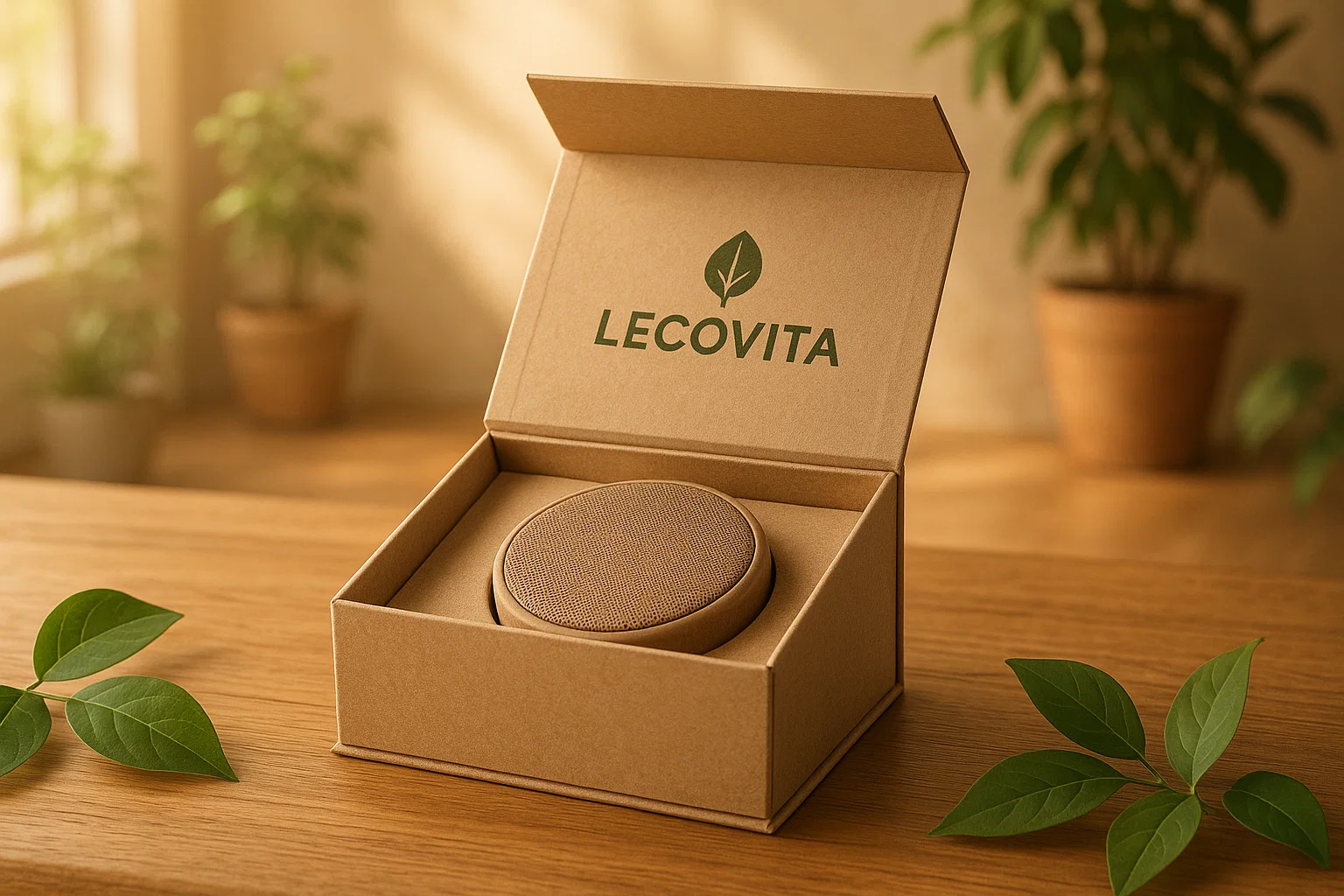
As consumer awareness of sustainability grows, packaging decisions have become a major part of how customers perceive a brand. In the audio‑equipment industry – where sleek design and premium sound quality are crucial – packaging is often the first physical interaction consumers have with a product. By adopting outer cartons and inner inserts made from environmentally friendly materials, audio brands can reduce environmental impact and communicate their commitment to the planet, leading to stronger brand image and loyalty.
Why Sustainable Packaging Matters for Audio Brands
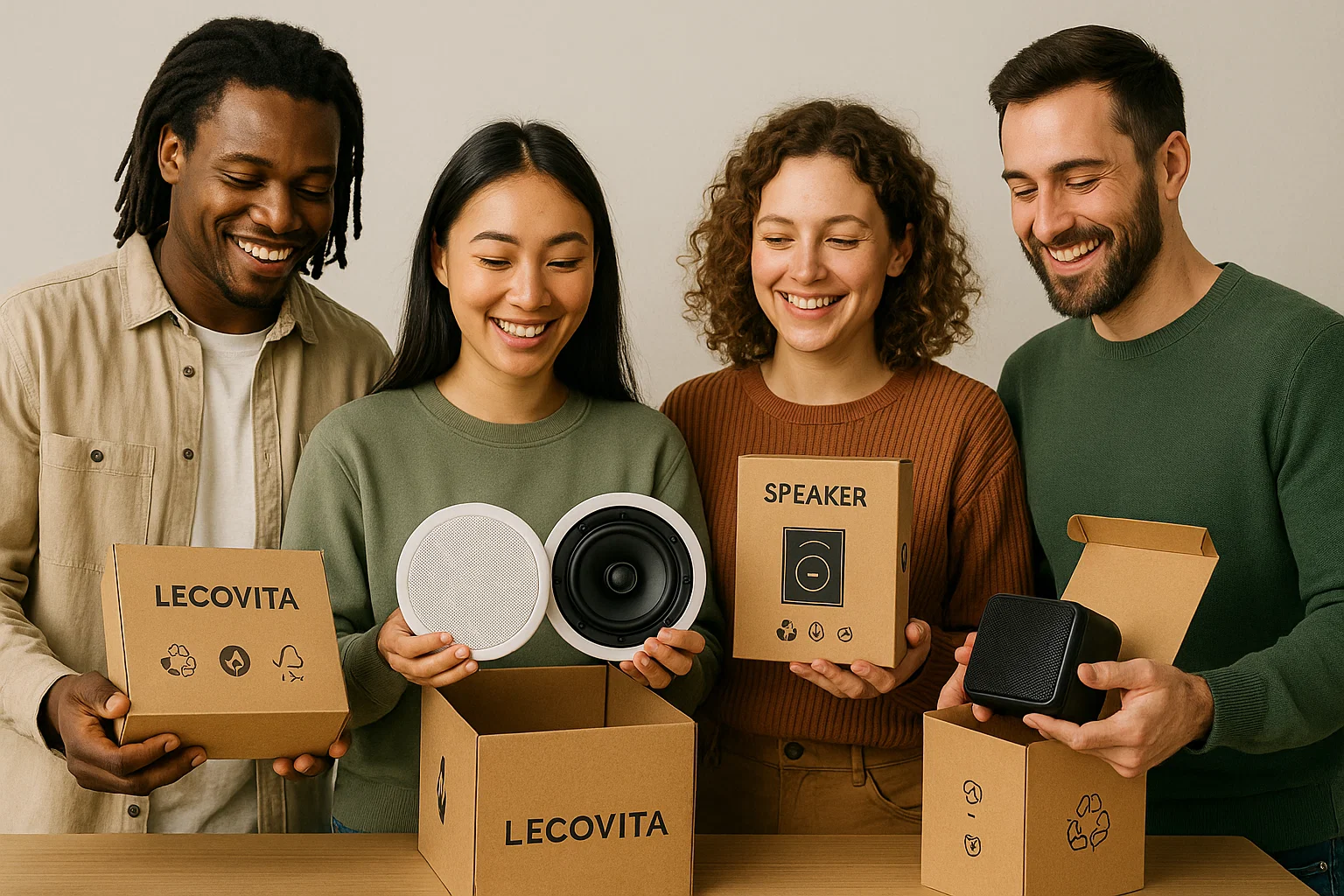
Consumer surveys demonstrate that environmental credentials are no longer a niche concern. A 2019 CGS survey of over 1,000 U.S. consumers found that more than two‑thirds of respondents consider sustainability when making a purchase, and 47 % would pay more for sustainable products. The study also noted that the second most important driver of brand loyalty (after product quality) is a company’s sustainable and ethical practices. Another 2023 Global Buying Green report revealed that 82 % of consumers globally, and 90 % of Gen Z shoppers, are willing to pay a premium for sustainable packaging; 71 % said they had selected a product specifically because its packaging was eco‑friendly. These statistics highlight how sustainable packaging influences purchase decisions and loyalty.
From an operational standpoint, eco‑friendly packaging can lower costs. Group O notes that lighter, recyclable packaging reduces carbon emissions and maximises shipping efficiency, allowing brands to ship more items per load and lower shipping costs. Sustainable packaging designs also tend to use less material, enabling companies to consolidate storage and reduce waste. Thus, a packaging strategy based on renewable and recyclable materials brings both economic and environmental benefits.
How Sustainable Packaging Enhances Brand Image
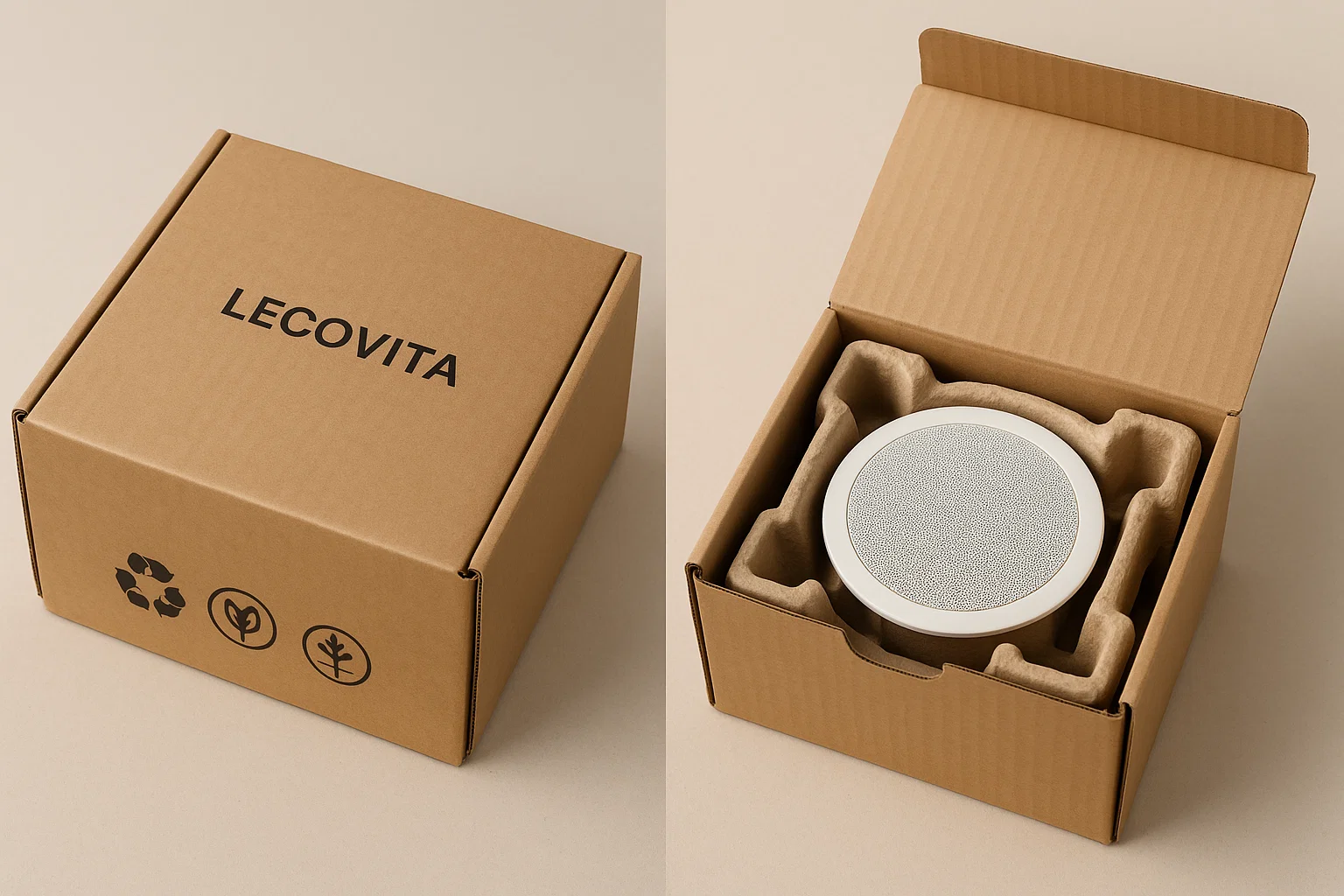
Meeting Consumer Expectations and Building Loyalty
Consumers increasingly seek brands whose values align with their own. According to epack printing, adopting sustainable packaging improves a company’s reputation and positions it as a leader in environmental responsibility. Communicating sustainable initiatives authentically helps brands stand out and “score big points” with eco‑conscious consumers. Transparency is vital: the same article emphasises that clear communication about sustainable efforts and certifications builds trust and encourages repeat purchases.
Expanding the Customer Base
A Group O blog post points out that eco‑friendly packaging attracts conscious consumers. Over one‑third of buyers are willing to pay 25 % more for sustainable products and over half of Gen Z customers are willing to pay more for sustainability. This broad appeal allows brands to tap into new demographics and reinforces an image of innovation and responsibility.
Fostering Long‑Term Brand Loyalty
Beyond initial purchase decisions, sustainable packaging creates a strong brand story. Group O cites studies showing that brand loyalty is driven by sustainable and ethical practices, second only to product quality. When consumers feel connected to a brand’s environmental mission, they are more likely to return and advocate for the company.
Examples of Sustainable Packaging in the Audio Industry
| Brand / Example | Packaging materials | Sustainability highlights |
|---|---|---|
| AIAIAI (headphones) | Packaging redesigned using 100 % recycled plastics and FSC‑certified paper; sleeve carries Nordic Ecolabel and Cradle‑to‑Cradle certification; anti‑moisture bags made from organic‑based activated carbon. | Replacing conventional materials with recycled alternatives and optimising box dimensions reduced the packaging’s carbon footprint by over 60 %, and overall packaging CO₂ footprint by 80 %. |
| Beats Studio Pro (Apple) | Packaging constructed from 100 % fibre‑based materials, primarily bamboo and bagasse fibres, with all materials derived from recycled and sustainably managed forests. | Demonstrates that fiber‑based molded pulp can protect premium headphones while eliminating plastic. Recycled rare‑earth materials and tin are also used in the product itself. |
| House of Marley – Smile Jamaica Wireless 2 earbuds | Uses 100 % recyclable paper fibre packaging that can be placed into a mixed‑paper recycle bin; employs FSC‑certified materials, recycled paper, recycled PET casings and paper‑fiber ties instead of plastic. | Simplifying materials allows the whole package to be recycled together, reducing sorting requirements. The brand notes that the move to all‑paper packaging reinforces its commitment to sustainable design. |
| Sony aibo robot dog | The outer package and protective insert are moulded from felt made with 50 % recycled PET bottles. The felt forms a three‑layer structure providing both cushioning and a sturdy outer cover. No ink is required because the logo is embossed. | Part of Sony’s “Road to Zero” plan. The design won the AsiaStar Eco‑Package award for its lifecycle consideration and reduces the need for extra bags or coverings, conserving resources. |
| General materials and approaches | FSC‑certified paper & corrugated cardboard: lightweight, recyclable and can be made with recycled content; wood packaging: when sourced responsibly, wood provides durable, reusable crates and pallets and is considered more sustainable than plastic; biodegradable materials: bagasse, bamboo fibre, molded paper pulp and mycelium can replace plastic foams. | Selecting materials from renewable sources reduces reliance on fossil fuel‑based plastics and supports circular economy goals. Corrugated cardboard and molded pulp can be customised to fit delicate audio equipment while being recyclable and lightweight. |
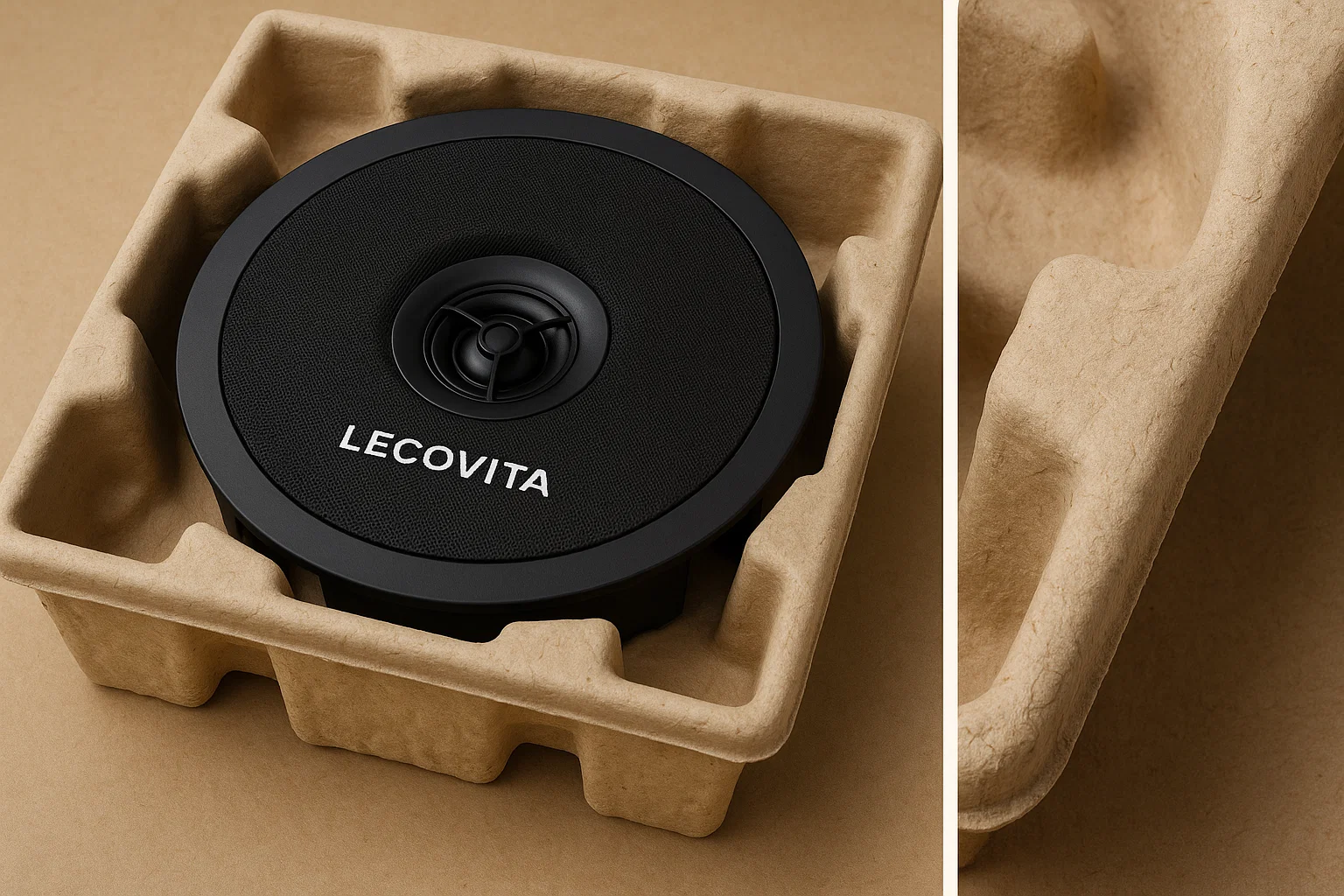
These examples illustrate that premium audio brands are embracing packaging made from recycled plastics, recycled paper fibre, bamboo and bagasse, and reclaimed PET. Using certified materials (FSC, Cradle‑to‑Cradle, Nordic Swan) and designing packaging to be easily recycled or composted helps companies communicate authenticity and reduce environmental impact. The success of these initiatives demonstrates that eco‑friendly packaging does not compromise product safety or aesthetics; instead, it creates a narrative that resonates with customers.
Recommendations for LECOVITA’s Sustainable Packaging Plan
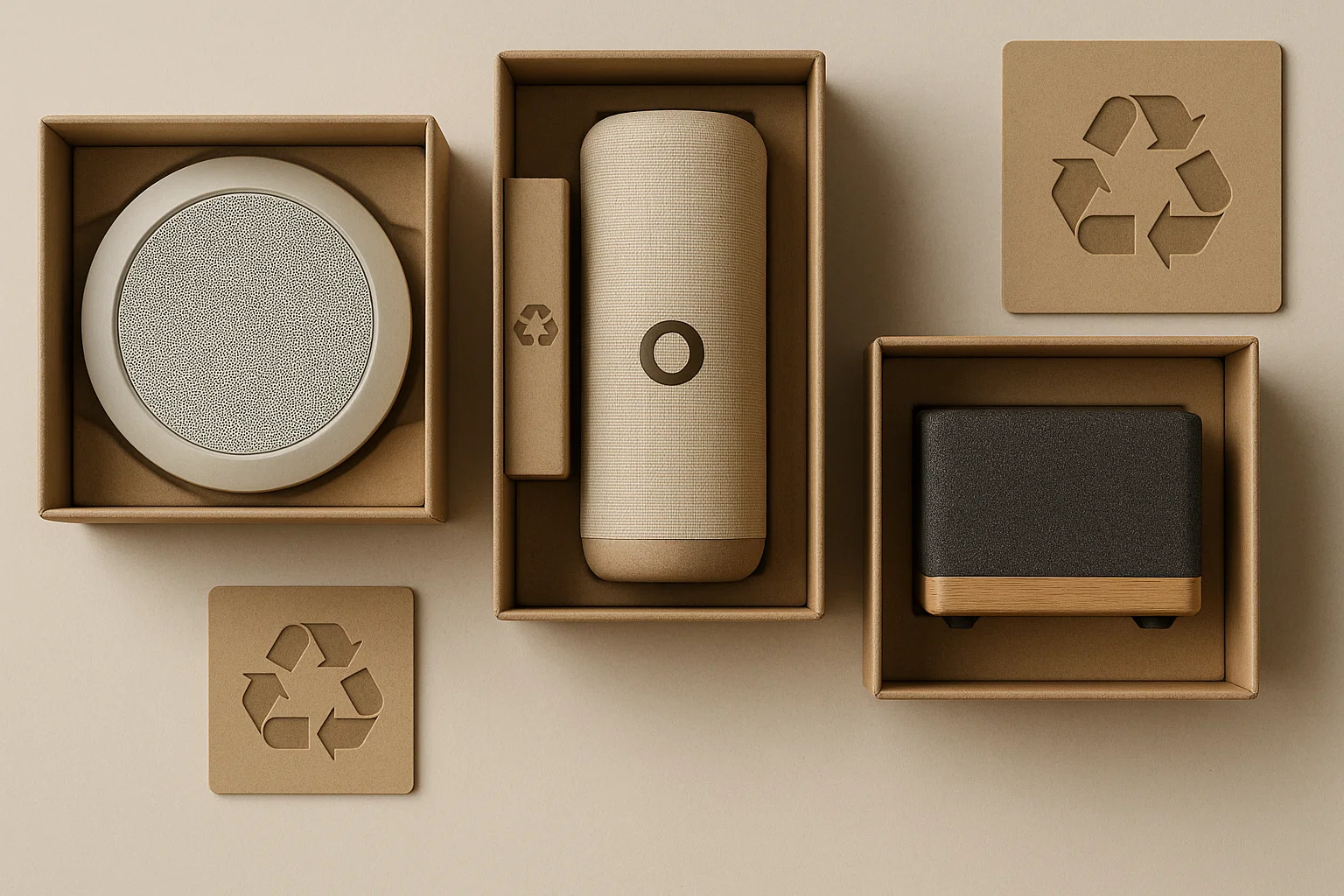
As a manufacturer of home speaker systems, LECOVITA can strengthen its brand image by committing to a comprehensive packaging strategy that uses sustainable materials for both outer cartons and inner inserts. Below are key recommendations:
Use responsibly sourced paper‑based outer packaging
Employ FSC‑certified corrugated cardboard or kraft paper boxes, ensuring they contain a high percentage of recycled content. Corrugated cardboard is lightweight, durable, renewable and recyclable, reducing transport emissions and material waste.
Adopt molded pulp or bamboo‑based internal inserts
Replace foam or plastic inserts with molded paper pulp, bagasse or bamboo fibre inserts. These materials offer strong cushioning and are biodegradable. For premium models, consider fiber‑based molded pulp similar to Beats’ packaging or felt made from recycled PET bottles (as in Sony’s aibo packaging).
Reduce plastics and use recycled plastics where necessary
If plastic components are unavoidable (e.g., protective bags for cables), use 100 % recycled PET or other recycled plastics. Incorporate anti‑moisture bags made from organic‑based activated carbon rather than silica gel.
Print with eco‑friendly inks and minimise printing
Utilise water‑based or soy‑based inks and avoid unnecessary coatings. Consider embossing logos or using cut‑outs to showcase the product, following Sony’s example of avoiding ink.
Design for easy recycling and reuse
Ensure that all components of the package can be recycled together or easily separated. Avoid mixing materials that require different recycling streams. Provide clear instructions on how to recycle or repurpose the packaging to encourage responsible disposal.
Communicate your sustainability story
Use packaging and marketing channels to explain the materials used and why they matter. Highlight certifications such as FSC, Cradle‑to‑Cradle or Nordic Swan, and share data on carbon reductions. Consumers appreciate transparency and this can enhance loyalty.
Continually innovate and measure impact
Explore emerging materials such as mycelium or seaweed‑based films for future products. Measure the carbon footprint of packaging and set reduction targets, learning from AIAIAI’s success in cutting their packaging CO₂ footprint by 80 %.
Conclusion
Adopting sustainable outer cartons and inner inserts made from renewable and recycled materials is no longer simply an ethical choice – it is a strategic move that shapes brand perception. Consumers increasingly reward eco‑conscious companies with their loyalty and are willing to pay more for products that align with their values. For audio brands, packaging offers a canvas to showcase innovation and responsibility. By following the best practices highlighted above, LECOVITA can reduce its environmental footprint, appeal to eco‑minded customers and strengthen its brand image as a leader in sustainable audio solutions.
Ready to Elevate Your Brand with Sustainable Audio Packaging?
Discover how Lecovita’s eco-friendly speaker packaging solutions can help you impress customers and reduce environmental impact — all without compromising quality.
