
Speaker Wattage Demystified: How Much Power Do You Really Need?

About Author: Kevin Wu
Founder & Principal Audio Engineer, LECOVITA
Specialize in acoustic engineering, high-fidelity speaker and amplifier design, precision manufacturing, sonic innovation, immersive audio solutions, and premium audio system development.
Introduction
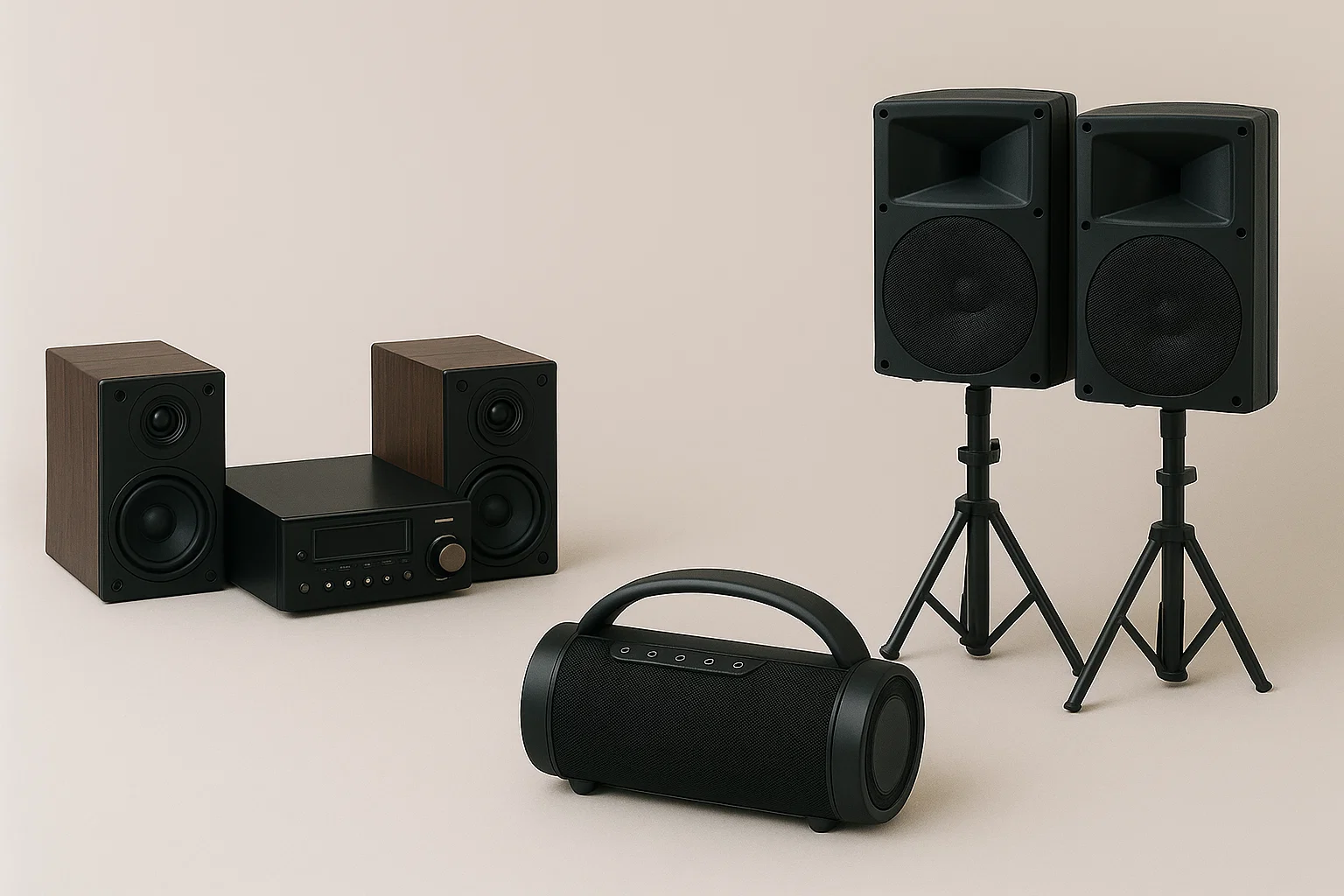
When shopping for speakers, one of the first specifications you’ll notice is wattage. Many buyers assume that more watts automatically mean better sound, but the truth is far more nuanced. Wattage plays an important role in how loud a speaker can get, yet it doesn’t directly determine sound quality. Because manufacturers often advertise exaggerated power ratings, it’s easy to get confused by big numbers on spec sheets.
This guide will break down the essentials of speaker power in plain language. You’ll learn what terms like RMS and peak power actually mean, how wattage affects volume, and how to decide how many watts you really need for your specific space. By the end, you’ll not only avoid common mistakes like overpaying for unnecessary power, but also understand how to match the right wattage with your listening environment. And if you want a professional solution tailored to your needs, LECOVITA’s expertise in speaker system design ensures every watt is put to good use.
What Is Speaker Wattage? Understanding the Basics
Definition of Wattage
In the simplest terms, speaker wattage measures how much electrical power a speaker can handle from an amplifier. It’s expressed in watts (W). Think of it as the maximum energy your speaker can safely process and convert into sound. The higher the wattage rating, the more potential a speaker has to produce louder sound. But loudness isn’t everything—design, efficiency, and tuning all play an equally important role.
RMS vs. Peak Power
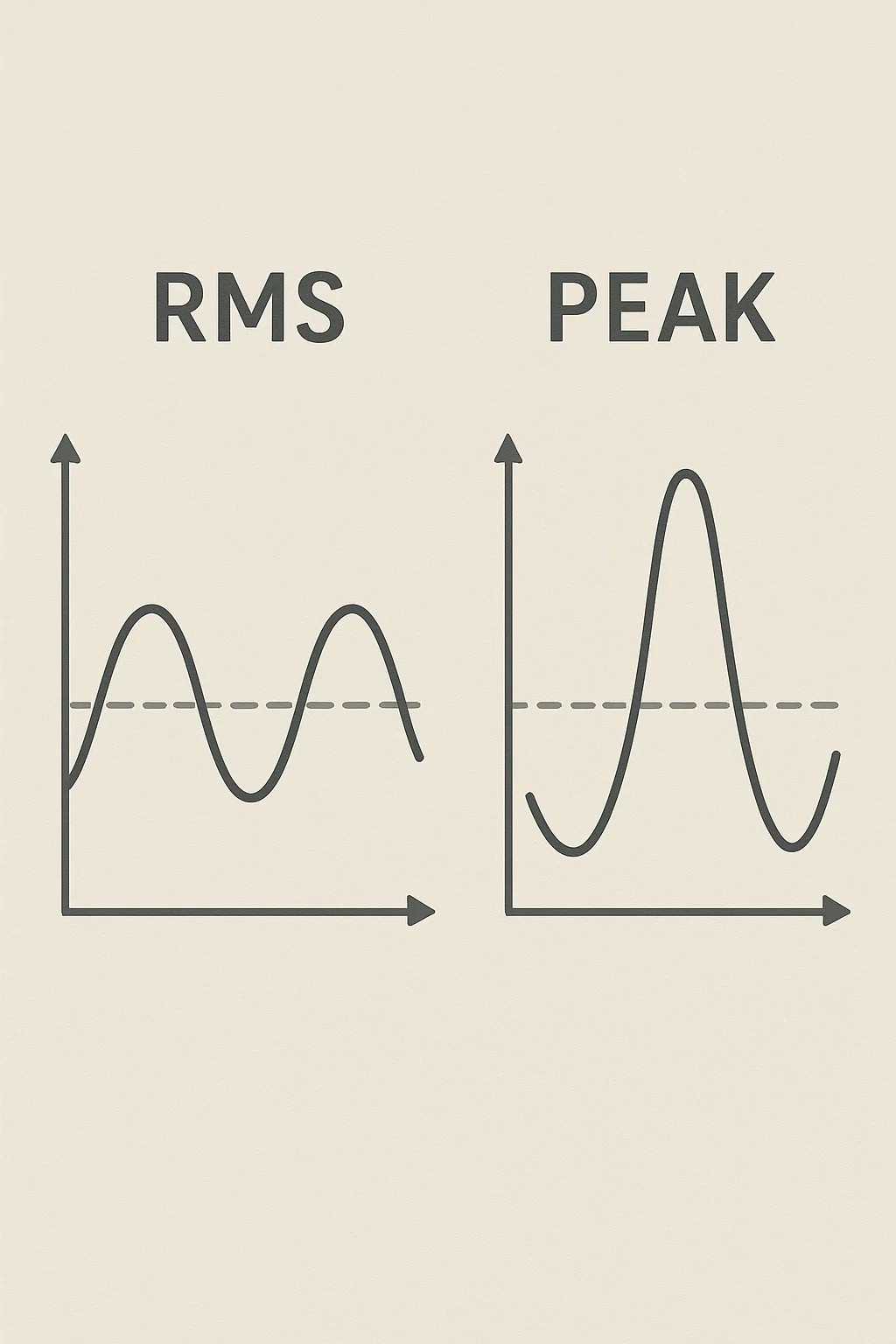
When reading specifications, you’ll often see two different numbers: RMS (Root Mean Square) and Peak Power.
-
RMS Power: Represents the continuous power a speaker can handle over time without distortion. This is the most reliable rating for understanding real-world performance.
-
Peak Power: Indicates the maximum short burst a speaker can handle, usually lasting only a split second. Manufacturers often highlight this number because it looks impressive, but it doesn’t reflect how the speaker will actually perform in daily use.
For example, a speaker rated at 50W RMS / 200W Peak means it can safely play at 50 watts continuously, while 200 watts is just the highest spike it can momentarily tolerate.
Misleading Specifications
Some brands promote inflated wattage numbers like “1000W PMPO” (Peak Music Power Output). While this may sound exciting, it doesn’t mean the speaker can actually deliver 1000 watts of usable power. In reality, PMPO is a marketing figure, not a reliable measure. Always look at the RMS rating to determine true performance and compare speakers fairly.
How Does Wattage Affect Sound?
Wattage and Volume
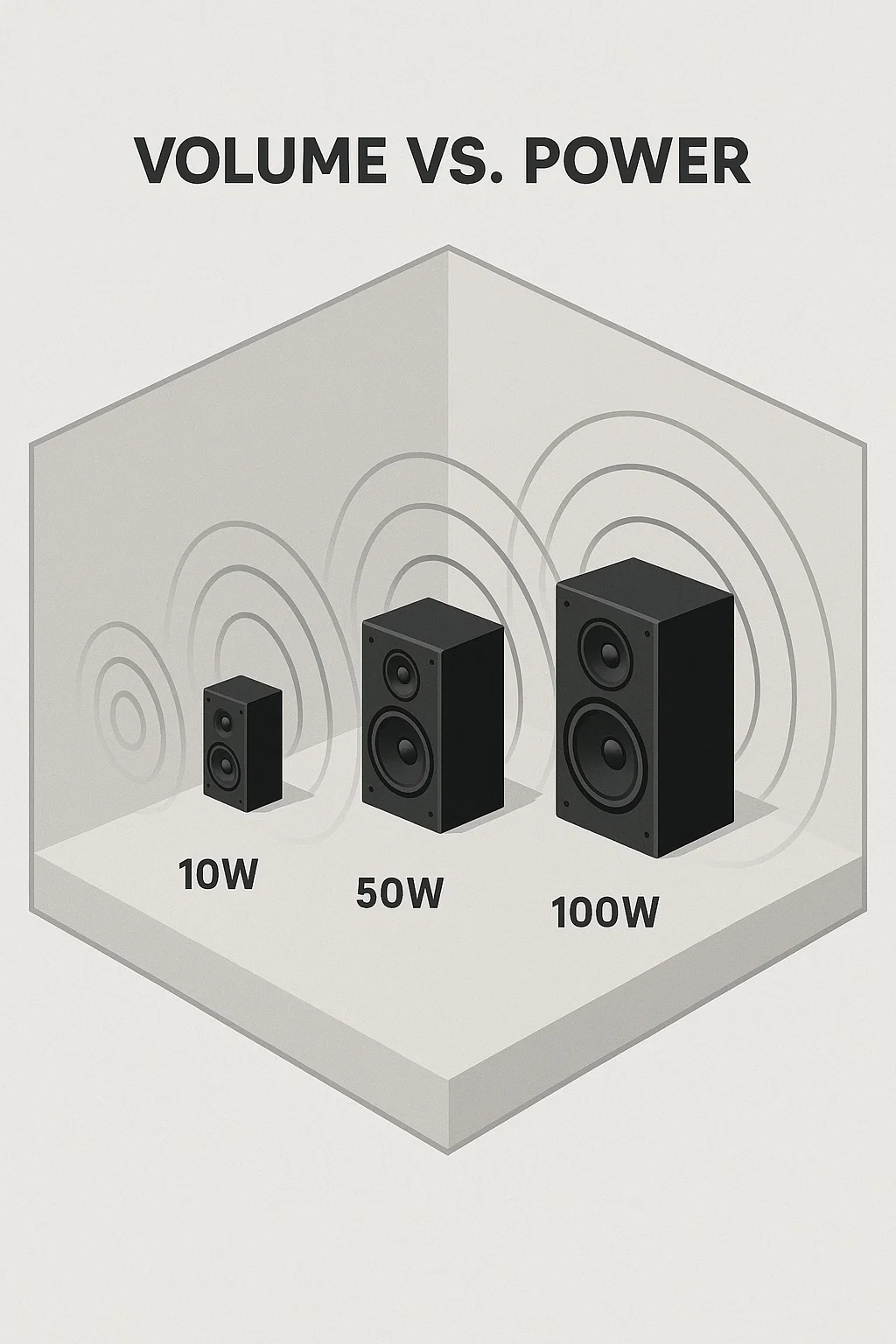
The most direct impact of wattage is on how loud your speakers can get. A higher wattage rating allows a speaker to produce greater sound pressure levels (SPL), which translates to higher maximum volume. However, wattage alone doesn’t determine how loud a speaker will sound. The sensitivity rating of a speaker (measured in decibels per watt, dB/W) plays an equally important role.
For example, a highly sensitive speaker (say 90 dB at 1 watt/1 meter) can sound just as loud with 20 watts as a less sensitive speaker might need 50 watts to achieve the same volume. In other words, speaker efficiency can make a low-watt system sound surprisingly powerful.
Wattage and Sound Quality
It’s a common misconception that higher wattage automatically equals better sound. In reality, sound quality depends more on speaker design, materials, and engineering—such as driver construction, cabinet acoustics, and crossover design—than on wattage itself.
A 20-watt high-fidelity speaker in a small room can deliver clearer, more enjoyable sound than a poorly designed 100-watt speaker. What wattage does provide is headroom: enough power to handle sudden peaks in music without distortion. Without sufficient headroom, even good speakers can sound harsh when pushed too hard.
Key Takeaway
Wattage influences volume capacity and dynamic performance, not the inherent quality of sound. When choosing speakers, consider wattage as one part of the equation—alongside sensitivity, room size, and your listening preferences.
How Many Watts Do You Really Need? (By Scenario)

Small Rooms (Bedrooms, Home Office)
In compact spaces, you don’t need massive wattage. For a bedroom, study, or home office (around 10–15 m²), 10–20W RMS per channel is usually more than enough. At this level, you’ll enjoy rich sound at moderate volumes without disturbing neighbors. A well-designed small speaker system can fill the room comfortably, especially when paired with speakers that have good sensitivity.
Living Rooms / Medium Spaces
For living rooms or family spaces (20–30 m²), the requirement goes up. A system delivering 50–100W RMS in total provides clear, dynamic sound for movies, gaming, and music. For casual listening, you may only use a fraction of this power, but having extra headroom ensures that sound remains distortion-free during peaks, such as explosions in a film or live concert recordings.
Outdoor Use / Parties
Outdoors, there are no walls to reflect sound, and background noise is higher. To keep music enjoyable in open spaces, aim for 20–50W RMS at minimum for portable speakers. For backyard parties or larger gatherings, stepping up to higher-powered models (100W or more) ensures sound travels farther without losing clarity. For large events, professional-grade systems with several hundred watts may be necessary.
Conference Rooms and Commercial Spaces
For business meetings, classrooms, or retail stores, clarity and coverage matter more than sheer volume. In small conference rooms, a few ceiling or wall-mounted speakers powered at 20–40W RMS each may suffice. In larger halls or lecture spaces, multiple speakers rated at 60–100W RMS combined with amplifiers are used to distribute sound evenly. In professional installations, wattage is carefully calculated based on room size and audience numbers to avoid both underpowering and overpowering.
Common Myths About Wattage
“More Watts = Better Sound”
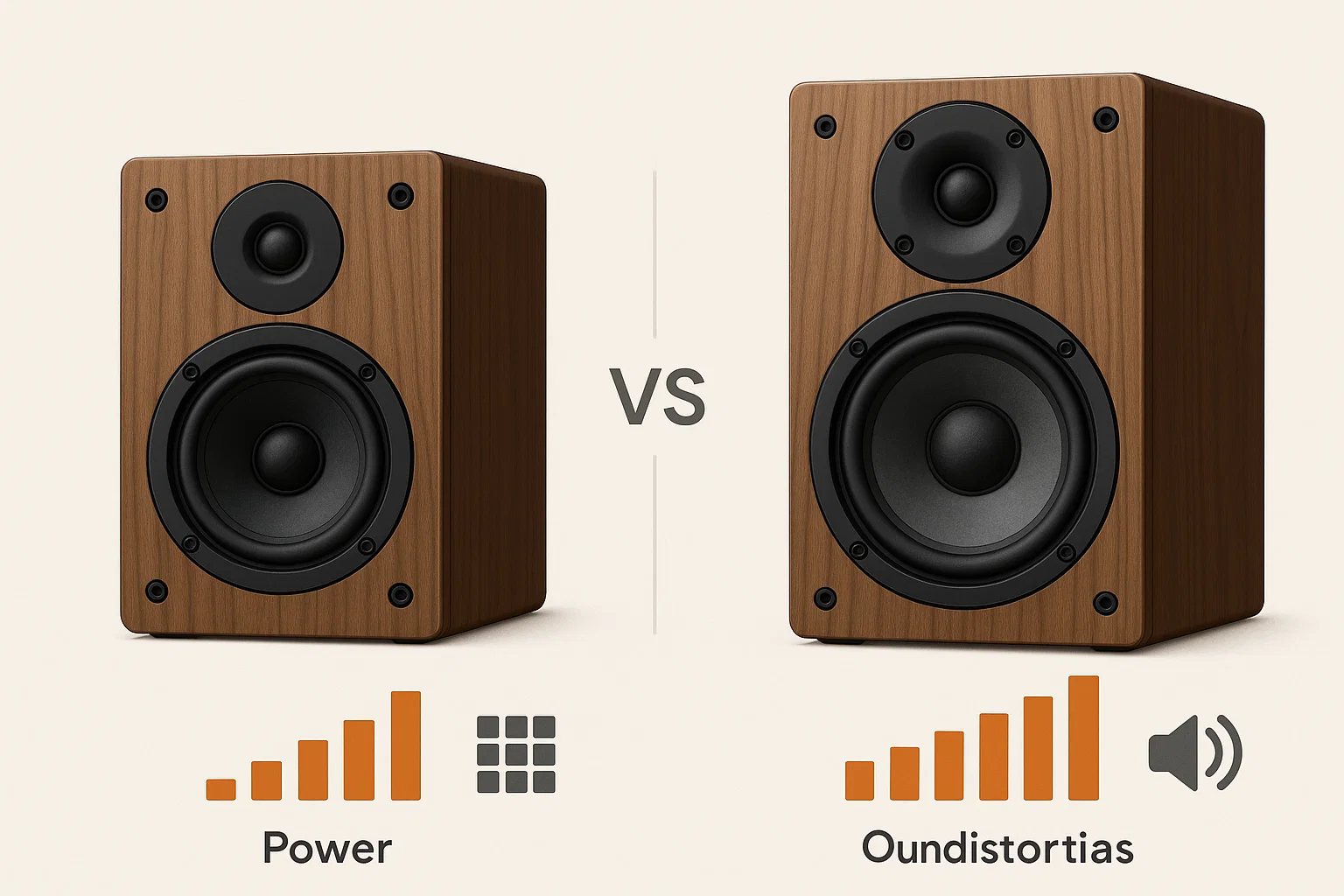
One of the most widespread misconceptions is that higher wattage always means superior audio quality. In truth, wattage primarily relates to how loud a speaker can play, not how good it sounds. A small, well-engineered 20W speaker can produce clearer, more balanced sound than a cheaply made 100W speaker. Sound quality depends far more on speaker design, components, and tuning than on raw power.
For more technical insights on speaker power and its standards in professional setups, AES Standards on speaker power provide official guidelines that ensure optimal performance and compatibility.
“Bigger Numbers Mean Better Gear”
Marketing often highlights peak power ratings like “500W PMPO” to impress buyers. These inflated numbers represent momentary spikes that speakers can handle for a fraction of a second—not what they can sustain continuously. The meaningful specification is RMS power, which tells you what the speaker can deliver reliably. Relying on peak numbers can lead to overpaying for a product that doesn’t perform as advertised.
Importance of Matching Amplifier and Speaker Power
Another myth is that you can simply connect any amplifier to any speaker. In reality, mismatched power levels can cause distortion or even damage. If your amplifier is too weak, it may “clip” when driving a larger speaker, leading to harsh sound. Conversely, if your amplifier is too powerful for the speaker, you risk blowing the drivers. The ideal setup is to have an amplifier with power slightly above the speaker’s RMS rating—enough to handle peaks without strain but not so much that it overwhelms the system.
Choosing the Right Wattage With Confidence
Focus on Your Environment
The first step is to match wattage with the size of your room or space. A small bedroom or study rarely requires more than 20W RMS, while a medium living room may benefit from 50–100W RMS. Outdoor setups or large conference spaces often need higher power, but going beyond what your environment requires usually leads to wasted potential and higher costs.
Think About Efficiency and Speaker Sensitivity
Don’t overlook speaker sensitivity. A high-sensitivity speaker (90dB and above) will produce more sound from the same wattage compared to a lower-sensitivity model (85dB, for instance). This means a well-designed, efficient speaker may only need 20–30W to fill a room where a less efficient one might require 60–80W. Checking both wattage and sensitivity ensures you get the performance you expect.
Plan for Headroom
Always allow for a margin of extra power. An amplifier with slightly more wattage than your speaker’s RMS rating provides “headroom,” ensuring the system can handle peaks in music or movie soundtracks without distortion. For example, pairing a 60W RMS speaker with an 80W amplifier ensures smoother playback and less risk of damage.
Avoid Overkill
While having headroom is smart, chasing unnecessary wattage isn’t. A 500W system in a 20m² living room isn’t just overkill—it may never be used to its potential. Smart selection is about balance: enough wattage for clarity and impact, but not so much that it becomes impractical.
When selecting the right wattage for your speakers, it’s important to consider your space and how much power you actually need. For an in-depth breakdown of speaker selection, TechRadar’s buying guide offers valuable insights into wattage and more.
LECOVITA’s Professional Advantage

Tailored Power Solutions
At LECOVITA, we understand that choosing the right wattage isn’t just about numbers—it’s about designing systems that perfectly match your space, usage, and expectations. Our engineers analyze room size, purpose, and acoustics to recommend the optimal power range. This ensures you get the clarity and volume you need, without overspending on unnecessary wattage.
Expert Matching of Amplifiers and Speakers
One of the most common mistakes buyers make is pairing mismatched equipment. At LECOVITA, we specialize in precise amplifier-to-speaker matching. We ensure that amplifiers deliver the right amount of headroom while protecting your speakers from overload. This balance not only maximizes performance but also extends the life of your system.
Customized Audio Systems
No two users have identical needs. Whether it’s a cozy home theater, a vibrant outdoor event, or a professional conference room, LECOVITA provides customized audio system solutions. We build setups with the right wattage, sensitivity, and design to deliver immersive sound experiences tailored to each environment. From consultation to installation, our expertise guarantees every watt is effectively used to achieve superior results.
Conclusion
Choosing the right speaker wattage is not just about chasing the biggest numbers on the spec sheet. While wattage plays a role in how loud your speakers can get, it’s not the sole factor that defines sound quality. Understanding the relationship between wattage, speaker sensitivity, and room size is key to selecting the right system for your needs.
Remember, more watts don’t always mean better sound—it’s about finding the right balance for your environment. Whether you’re outfitting a small bedroom, a lively living room, or a large outdoor space, understanding your needs and selecting the appropriate wattage ensures you’ll get the best performance without excess power that goes underused.
At LECOVITA, we take the guesswork out of the equation. Our experts work with you to design and deliver custom audio solutions that perfectly match your space, ensuring you get the most out of every watt.
Ready to find the perfect audio solution for your space? Contact LECOVITA today for a personalized consultation. Our team is here to help you build the ideal system that fits your needs and maximizes your listening experience.
